The Karakoram Highway is why a lot of people come to Pakistan, and it is also where the gap between reading about a road and travelling it becomes obvious. The road itself is covered in the full Karakoram Highway travel guide. This is about the operating difference: what changes when someone else runs the day, and what you should keep in your own hands. We plan these trips for small groups, so this is our own process described plainly, including where a guide is not the answer.
What the Karakoram Highway Actually Asks of a Visitor
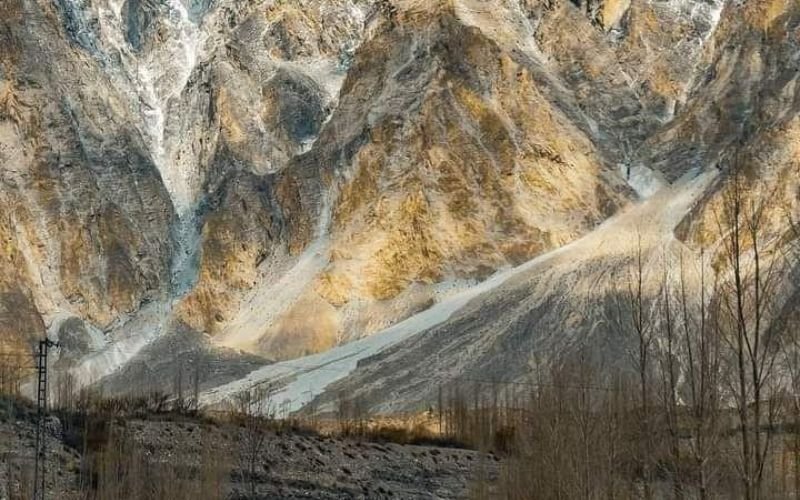
The highway runs north from the Islamabad area through the Hindu Kush into the Karakoram, joining China at the Khunjerab Pass. The useful stretch for most visitors begins at Besham and runs through Chilas, Gilgit, Karimabad in Hunza, Passu and on to Sost. It is a mountain road, not a motorway with a view.
What it asks of you is patience: long days in a vehicle, single-lane sections where a truck coming the other way decides the pace, checkpoints where paperwork is inspected, and a schedule that can change because of a slope above the road.
The Three Ways to Travel This Road, and Who Each One Suits
There are three realistic ways to do this, and they suit different travellers.
The first is public transport: minibuses and shared vans between the main towns. Cheapest and most sociable, and fine if you have time, a light bag and no fixed plan.
The second is a hired car with a driver, arranged yourself. It gives you the road on your own schedule and suits two people. The catch is that the driver’s job is driving. When a section closes, or your guest house has no room, the problem stays yours.
The third is a guided trip, which is what we run through our northern mountain tours. The difference is not the car. It is that someone is responsible for the whole day: the driving, the jeep legs, the bookings, and the replanning when the road has other ideas. See the range in all our tour packages.
Who Drives, and Why That Is the Whole Question
Foreign visitors generally cannot drive on a foreign licence, and self-drive rental for foreigners is rare here. The exact documents depend on your nationality and travel date, so confirm the current rule with an official source before planning around it. In practice someone local drives you whatever you choose. The question is only who is responsible for that person’s day.
On a guided trip the driver works with a guide who speaks for you, and both know this road. A driver who has crossed the same pass fifty times reads weather, traffic and slope behaviour in a way no app does. If you are doing Islamabad to Hunza distances and routes alone, plan shorter days than the map suggests and never book a same-day connection.
The Jeep Track Problem: When the Highway Is Not the Road
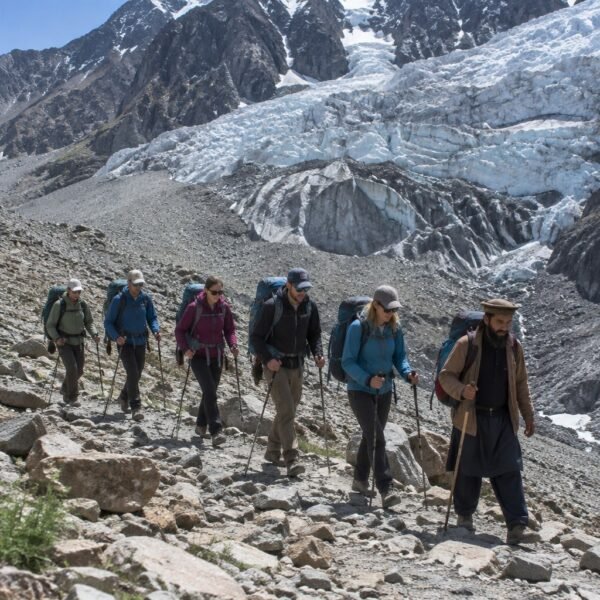
Half of what makes this region worth the journey is off the highway, up valleys where the surface becomes a jeep track: a rough single vehicle width of stone and dust, driven by local operators who know the gradient and their own vehicle. Fairy Meadows is the famous example, and the quieter tracks are where the trip stops feeling like a transfer.
A jeep leg is not something you improvise. It needs a vehicle that fits the track, a driver who runs it regularly, and a weather window. On a guided trip that is arranged as part of the plan. Independently you negotiate at the trailhead, which works, but it is the part most likely to eat a day. For the walking version, see the treks that leave this road.
Stops You Would Drive Past Without Knowing They Exist
This is the quiet advantage, and it is not about comfort. It is the small turnings you cannot see from a moving bus: the rock carving above the road, the side track to a viewpoint twenty minutes off the highway, the tea stop where a family has fed travellers for decades.
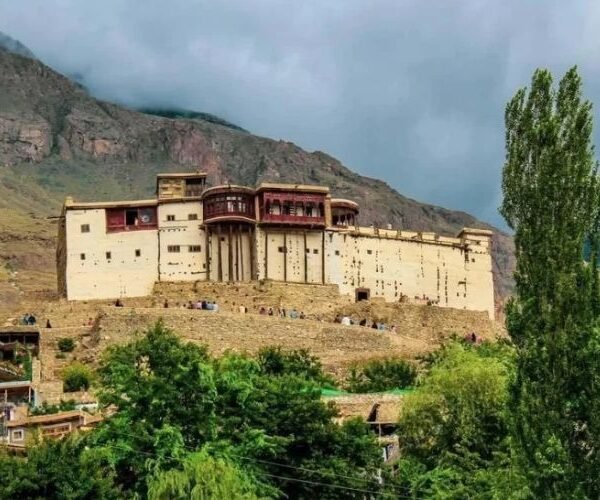
Some stops are famous and still easy to miss. A four-day Hunza itinerary is worth reading before you arrive, because Karimabad rewards two nights rather than one. Baltit Fort is the obvious one. Lesser known are the forts worth the detour elsewhere, and the principle holds: a fort is a story about who held the valley, and without the story it is just stone.

Altitude, Timing and the Days That Need Replanning
The road climbs gradually enough that most people notice the altitude as breathlessness on stairs rather than anything dramatic. What it changes is the schedule: you move slower, sleep worse higher up, and a day that looked easy on paper takes longer. We build the itinerary so the biggest gains in height come with shorter driving days around them. We do not give medical advice, so if you have a health condition ask your own doctor before booking.
Timing is the other half. Sections can close after heavy rain or a landslide, most often in summer. The highway was rebuilt through tunnels at Attabad after a slope failure. On a guided trip the guide and driver know the alternate side tracks and local timings, and the itinerary is rebuilt the same day. Independently you wait it out in the nearest town, which is survivable but rarely the plan you wanted.
What a Guide Does Not Fix, and What You Should Still Do Yourself
It would be easy, and wrong, to say a guided trip solves this road. A guide does not make it shorter, cannot open a closed section, guarantee a clear view of a peak, or change the fact that a long day in a vehicle is a long day in a vehicle.
What you should still do yourself: read about the places before you arrive, so you know what you are looking at. Decide how much walking you want. Carry a cash float for small purchases, since card machines are unreliable away from the cities. Keep a day of slack before your flight. And speak up on the day, because half the value of a guide is being able to say you would rather skip the fort and sit by the river.
On cost: a guided trip usually costs more, but the gap is smaller than people expect once you add a hired car and driver, the jeep legs, the permits, and nights lost to a booking that falls through. Our article on realistic daily travel costs sets out the line items so you can build your own comparison.
How We Build a Karakoram Highway Trip for a Group
Our method is deliberate rather than clever. We start from your dates and how many nights you actually have, not from a fixed package. Then we choose bases rather than stops: usually two nights in Karimabad, a night or two in Gilgit, and one lower down before the highest point. We keep a lighter day after any big gain in height, put jeep legs where they serve a purpose, and leave one unplanned afternoon in the middle. We tell you plainly if your dates do not work, before you pay. For inclusions, read how our Pakistan tour packages work. We quote per trip rather than publishing a number, because cost depends on group size, season and distance.
What to Ask Any Operator Before You Pay a Deposit
Whoever you travel with, these questions separate a plan from a promise. Ask who drives, whether it is the same person throughout, and whether the vehicle is theirs. Ask what happens the day a section closes: who decides, how fast, at whose cost. Ask whether jeep legs are included or arranged on the ground. Ask how many nights are in each place by name, not how many are “in Hunza”. Ask for the itinerary in writing with driving hours per day, and ask what is not included. An operator who answers without flinching is worth the deposit. One who promises an open road in advance is not.
To talk through a route, send us your dates through the form, or message us on WhatsApp at +92 344 7181087. We will tell you what fits and what does not.
Can I drive the Karakoram Highway myself as a foreign visitor?
Foreign visitors generally cannot drive on a foreign licence, and self-drive rental for foreigners is rare on this road. Most independent travellers use public transport, a hired car with a driver, or join a guided trip. The exact documents required depend on your nationality and travel date, so confirm the current rule with the operator or an official source before you plan around it.
Is a guided tour more expensive than doing it independently?
Usually yes, and the honest answer is that the gap is smaller than people expect once you add a hired car with a driver, the jeep legs, permits, and the nights you lose to a booking that falls through. We quote per trip rather than publish a number here, because the cost depends on group size, season and how far north you go.
Do I need a guide to see Hunza and the Passu cones?
No. The main valley road, Karimabad, Attabad Lake and the Passu viewpoints are all reachable without a guide, and plenty of visitors do them independently. A guide earns its place on the side valleys, the jeep tracks, the timings around altitude, and the days when a section of road closes and the plan has to change that morning.
What happens if the road is blocked by a landslide?
It happens, most often in the summer monsoon months. On a guided trip the driver and guide know the alternate side tracks and the local timings, and the itinerary is rebuilt the same day. Independent travellers usually wait it out in the nearest town. Nobody can promise a road will be open, and any operator who does is guessing.
How far in advance should I book a Karakoram Highway trip?
For the June to September season, several weeks ahead is sensible, and longer if you want specific hotels in Karimabad or a jeep for a side valley. Outside that window there is more room. Tell us your dates and we will say plainly whether they work.