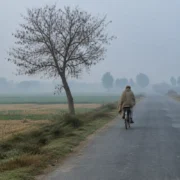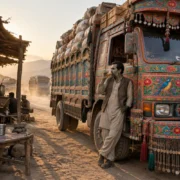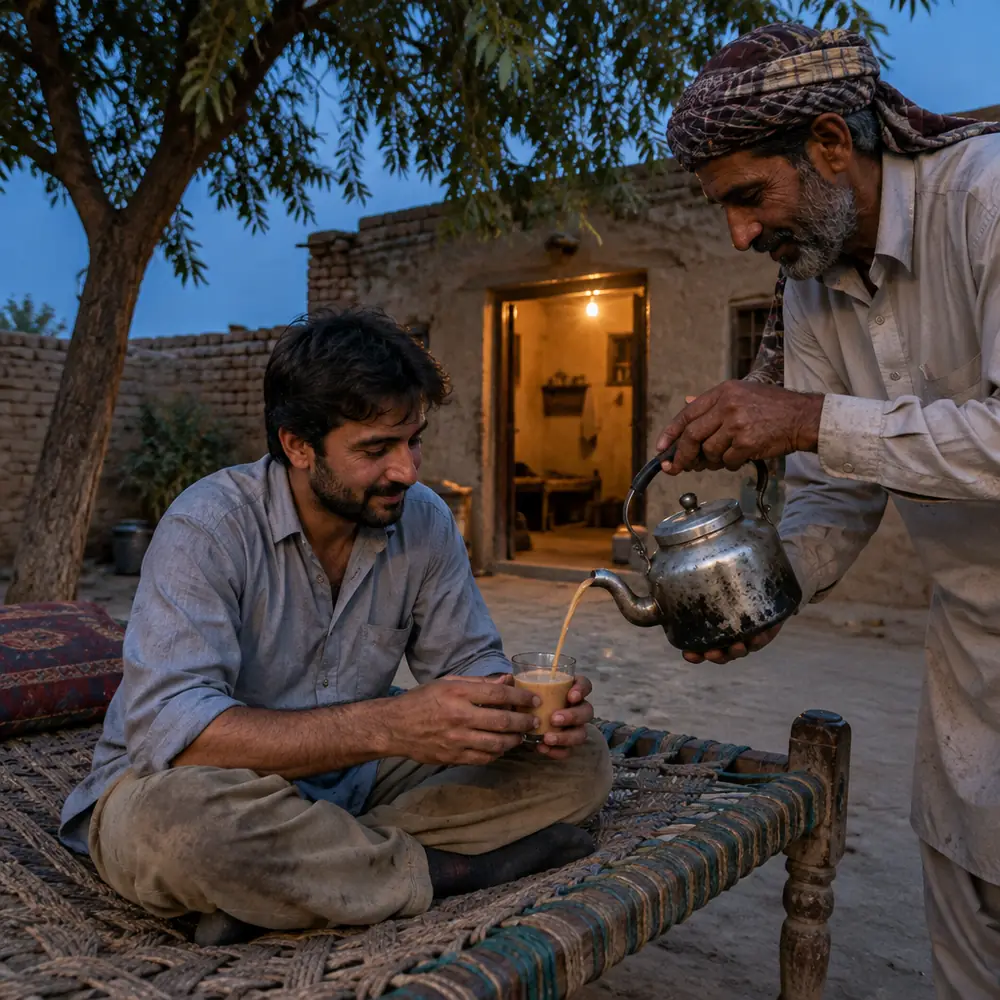
Pakistani hospitality is not a performance put on for visitors. It is the ordinary way a household behaves when someone crosses its threshold, and as a guest you will notice it within about ten minutes of arriving: someone is already in the kitchen, someone has taken your bag out of your hands, and someone is asking whether you take sugar. What to expect, in short: you will be fed more than you planned, walked to your car, and you will lose an argument about a restaurant bill. All of it has a rhythm you can learn in a day.
For the wider habits, from shoes at the door to which hand to use, our guide to Pakistan travel etiquette for foreigners covers the rest.
What Hospitality Means Here, Before You Even Arrive
The instinct starts before the door opens. A host asks how you are travelling, offers to send someone to meet you, then acts slightly wounded when you say a taxi is fine. Accept the second offer if it is made twice. That is the whole grammar in one exchange: an offer, a modest refusal, a second offer meant to be accepted.
Guests are treated as good fortune rather than an interruption. You may hear the word mehman used about you, which simply means guest. The best chair and the first plate go to you without discussion; a brief protest then acceptance is the polite sequence. Learn two phrases from our essential Urdu phrases for visitors and use them badly; the warmth that comes back is out of all proportion to the effort.
The Tea Round: Chai Will Find You
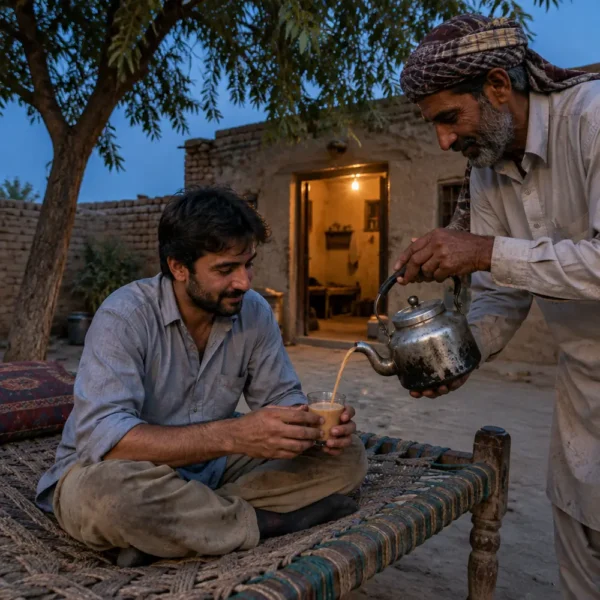
Tea is the unit of hospitality. It arrives at the start of a visit, in the middle, again after a meal, and once more when you stand up to leave. Chai here means milky tea boiled with sugar in a small glass.
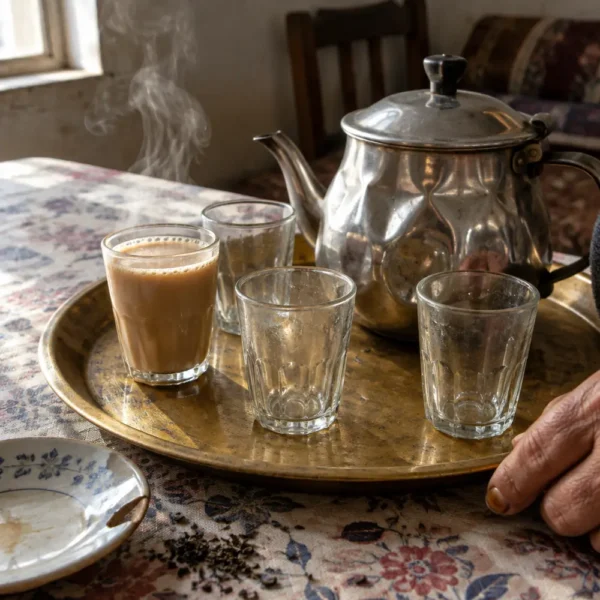
Accept the first cup. That cup is the welcome itself, and refusing it reads as refusing the person offering it. After that you have room: holding the glass longer than you need to, or saying you are full, is understood. What is not understood is an empty glass left sitting, because in most homes that is a request for a refill.
The Third Helping and How to Decline It Politely
Food is where the pressure is friendliest and hardest to read. A plate is filled before you sit, refilled before you finish, then topped up again after you have said clearly that you are full. It is not a trap: a host is checking that you were properly looked after.
The workable rule: accept the first offer, take a genuine second helping if the food is good, decline the third with something warmer than a no. Say you have eaten wonderfully and could not manage another bite. Leaving a full plate does not work; a host reads it as a verdict on the cooking. Mention any real restriction before the meal. For eating out, our piece on Pakistani street food is a good companion to this one.
Being Walked to Your Car, and Other Small Send-Offs
Leaving is a process, not a moment. You stand, then stand again, then someone remembers something they wanted to give you. The host comes to the gate, and in many families someone comes to the corner and waits until your car actually turns. The send-off is the last third of the visit.
Protests are expected. Say you will be fine and that they should not come out in the cold. They will come out anyway; say thank you at the gate rather than arguing. The walk is also when the host checks you know the road in the dark, so answer specifically. “I will take the canal road, it is lit the whole way” ends it kindly.
Who Pays: The Bill Fight and What You Should Do
In a restaurant, the bill is an athletic event. Two or three people reach for it at once and someone claims it was already settled when it plainly was not. Make a real attempt, lose gracefully, and offer a specific alternative later.
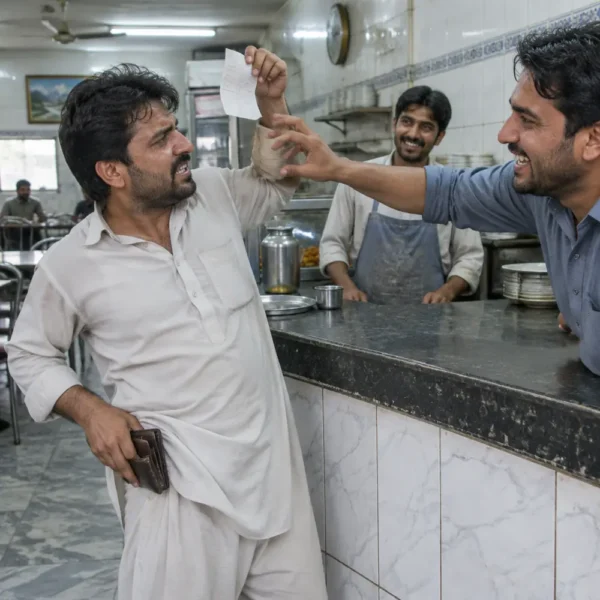
Two exceptions. On a first meeting with someone who invited you, let them pay; insisting too hard turns a courtesy into a scene. On a long trip, or when you suggested the restaurant, be firmer, and a quiet word with the waiter beats a public contest. Never put cash into a host’s hand inside their own home. It turns a guest into a customer, and it will be refused in a way that leaves the room awkward.
Invited Into a Home: What to Bring and What to Do First
Bring something small and edible, for the house rather than the host alone. A box of mithai, the dense milk-based sweets sold by weight in almost every neighbourhood, is the standard answer. Fruit or a bakery dessert works. Arriving empty-handed is not a disaster, but arriving with something is noticed.
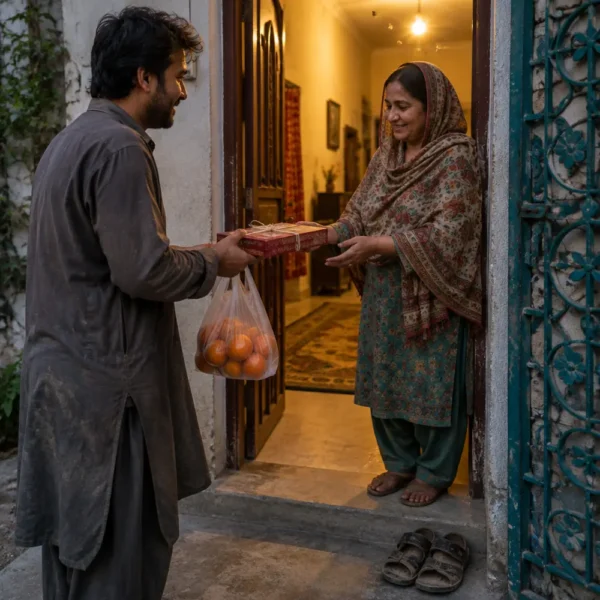
Expect to be told you should not have bothered: that is the ritual counterweight to your gift, not a complaint. Do not bring alcohol unless you know the household well, and nothing expensive, which creates an obligation in return. At the door, take your shoes off if the floor tells you to, greet the eldest person first, and sit where you are pointed. A dupatta over the head is expected in some homes and not others; follow the women of the household. Our guide to exploring Pakistan’s cities covers how this shifts street by street.
Guests Who Stay: Reading an Invitation and Knowing When to Leave
An invitation to stay for lunch is sincere and slightly elastic. Asked at eleven in the morning, plan for two. Asked to stay the night, that is a real offer, and refusing it twice before accepting is the conventional path.
Watch the kitchen: when dishes are being cleared and the talk turns to tomorrow, the visit is winding down. One attempt to leave followed by another cup of tea is normal. Two attempts and a host standing up with you is the signal to go.
If something larger comes up while you are there, a wedding, a festival, a family lunch, treat it as an invitation rather than politeness. Our account of a Pakistani wedding as a foreign guest is the most useful thing to read before saying yes, and the festival calendar shows what is coming up while you are in the country.
In the North: A Quieter Rhythm, the Same Instinct
Head north and the pace changes without the instinct changing. In Gilgit-Baltistan the tea is often saltier and the conversation has longer gaps. The offer is the same offer; it takes an hour longer to make, and arrives with walnuts and dried apricots rather than a bakery box.
Mountain households are used to travellers, so the rituals are looser. You may be waved in from a doorway with no preamble at all. Accept, because a second offer may not come. Our northern mountain tours put you in villages where this happens. To see the public version of the same habit, over a week and in one place, the folk performers at Lok Mela in Islamabad are the example, and our cultural and heritage tours build the household visits in rather than leaving them to chance.
How to Say Thank You Without Offending Anyone
The safest thank-you is a second visit. Hospitality here runs on return, not repayment, and the sentence that lands best is a specific promise: that you will come back, or call when you are in the city again. Vague gratitude evaporates; a plan does not.
Thank the cook by name, mention a dish you will think about, and send a message the next morning rather than a gift the same night. If you do give something, give it at the end of the stay. A photograph you took of the family, printed and sent later, beats anything bought at the door. And do not try to match what you receive. You will not, and you are not expected to. All you have to do is accept well.
If you would rather be shown than briefed, our full tour list and photo gallery will show you the places where these small rituals happen. When you are ready to plan something, message us on WhatsApp at +92 344 7181087 or use the enquiry form on the contact page, and we will tell you honestly which trips suit a first visit.
Do I have to accept every cup of tea I am offered?
No, but accept the first one. The first cup is the offer of welcome itself, and turning it down reads as turning down the person. After that, holding the cup a moment longer than you need to, or saying you are full, is understood. In most homes the tea is refilled without being asked, so a half-empty cup is an invitation for more.
What should I bring when I am invited to someone’s home in Pakistan?
Something small and edible, and something for the house rather than for the host alone: a box of sweets (mithai, small milk-based confectionery), fruit, or a dessert from a bakery you passed. Bringing nothing is not a disaster, but arriving with something is noticed. Do not bring alcohol unless you know the household well. Expect to be told you should not have bothered, and expect it to be said warmly.
Is it rude to refuse food I do not want?
Refusing once is part of the ritual; refusing repeatedly is the rude part. A first offer is politeness and is often made before you have even sat down. Saying you are full, or that you have eaten, is fine, and a host will usually press once more. Take a small amount if you can manage it. Leaving a completely empty plate is fine; leaving a little on it is also fine.
How much should I tip or offer to pay when a Pakistani friend hosts me?
Do not put money in a host’s hand in their own home: it turns a guest into a customer and is usually refused. Offer to pay for something outside the house instead, such as the fuel on a shared drive or the bill at a restaurant, and expect a fight over it. If you are staying for several days, a gift for the household at the end is more welcome than cash.