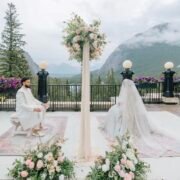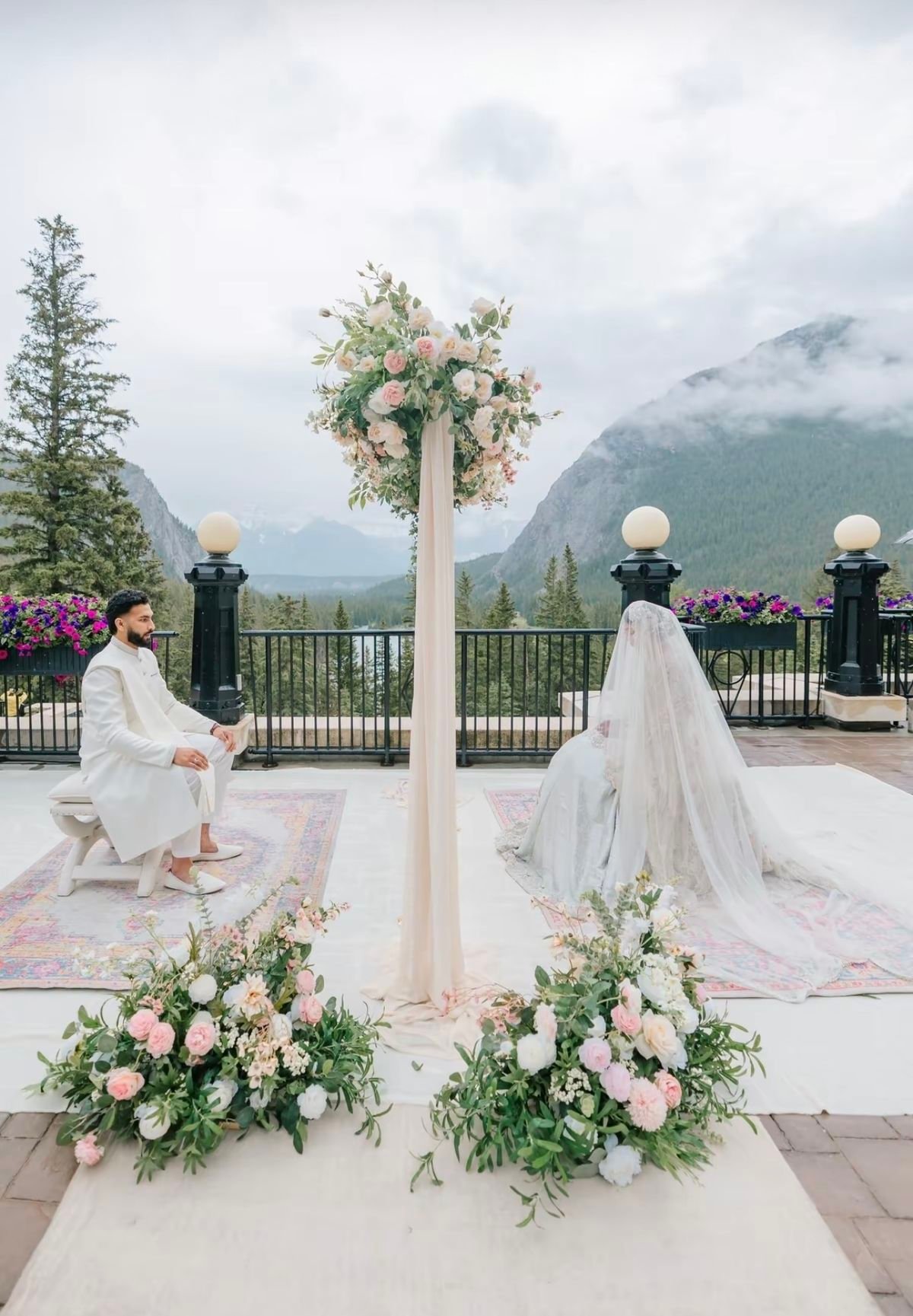
A Pakistani wedding is not one evening. It is normally three events over three or four days, each with its own dress code, its own start time that nobody takes literally, and its own set of expectations for guests. If you have been invited and you are not from here, the honest answer is that you will not embarrass yourself by attending, only by treating it as a single formal dinner with a fixed seating plan.
Here is what each event actually is, what to wear, whether to bring a gift and in what form, why the invitation says 7:00 when the bride arrives at 9:30, and how to behave in the parts where no one thinks to explain the rules.
The three events, in order
Mehndi. The opening night, usually at the bride’s home or a hall, built around henna, yellow and orange dress, dhol drumming and dancing. It is the most relaxed of the three and the one where guests are expected to move. Family members perform rehearsed dances; friends are pulled in.
Baraat and nikah. The groom’s procession, followed by the marriage contract. The baraat is loud, crowded and short: the groom arrives with his family, is met at the entrance, and the nikah is a religious ceremony that may take twenty minutes or be folded into the reception. Separate seating is common here, and the women’s side is often where the singing is.
Walima. The reception hosted by the groom’s family, usually the largest and most formal night, with a seated dinner and far more guests than either of the first two events. This is the one where you dress most carefully.
What to wear
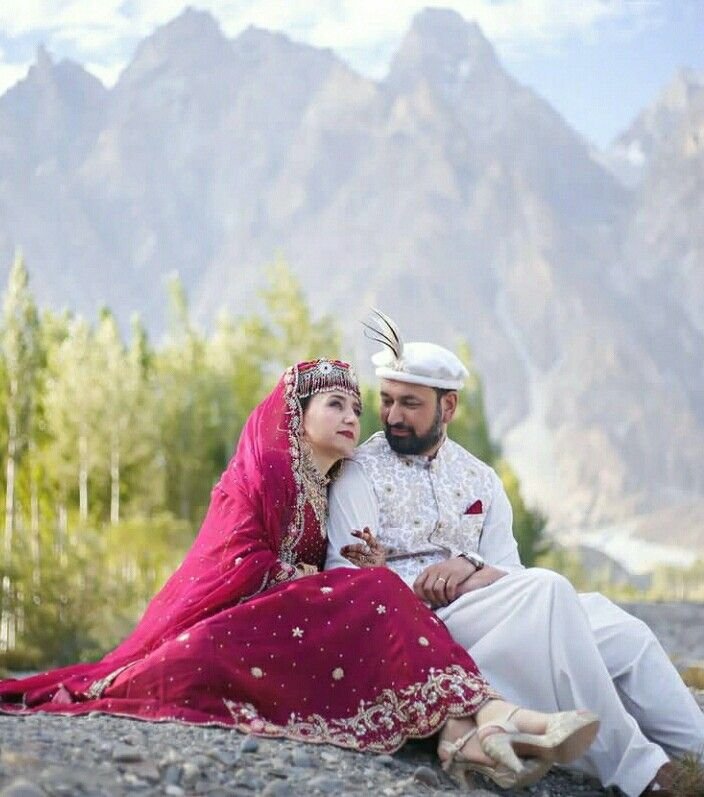
Follow the colour coded invitation if there is one, because families increasingly print a dress code per event: yellow for mehndi, reds or brights for baraat, pastels or jewel tones for walima. If there is no code, the safe choices are a shalwar kameez for men and a long, covered dress or a shalwar kameez with a dupatta for women. Black is fine at a walima in cities and unusual at a mehndi.
Two practical notes. Wear shoes you can slip off, because you may end up on a carpeted floor or in a home. And carry a light layer even in summer: halls are aggressively air conditioned and a walima runs late.
Gifts: the envelope question
Cash in an envelope is the normal gift at a Pakistani wedding, and it is not considered rude or impersonal. It is how families cover the cost of the event. Local guests give according to their relationship and means; as a foreign guest with no reference point, a modest envelope in rupees is completely acceptable, and a small wrapped gift from your own country is a lovely alternative if the family is close to you.
Do not buy something large. Do not bring flowers to the walima; they arrive by the armful from everyone else.
Why the invitation time is not the real time
A card that says 7:00 in the evening usually means the hall opens at 7:00, dinner is served around 9:00, and the couple is photographed from 9:30. This is not rudeness and it is not a test; it is how the evening is built, with guests arriving over two hours. If you want to see the baraat arrive, ask your host what time the groom is expected rather than the time printed.
The corollary for foreigners: eat something small before you go. You will be standing, greeting, and waiting far longer than a European or American wedding timeline would suggest.
Food, and how to eat it
Most weddings run a buffet or a served dinner of biryani or pulao, several curries, naan, salad, raita and a dessert. Eat with your right hand if you are comfortable doing so, use the cutlery if it is provided, and take small portions first because the food is rich and seconds are always offered. If you have a dietary restriction, tell your host when you accept the invitation, not at the table: vegetarian food is normal here and easily arranged, alcohol is not served at most weddings, and halal is the default.
Photographs, phones and the unspoken rules
Professional photographers work the room and will ask you to move. Guests photograph constantly, but the expectation is that you ask before photographing a woman you do not know, and that you do not film during the nikah or the prayers. If you are seated in the women’s section as a male guest, you will be asked to leave; that is normal, not a slight.
Dancing, and being pulled into it
At the mehndi, refusing to dance is noticed. You do not need skill. A circle forms, someone demonstrates two steps, and enthusiasm counts for more than technique. At the walima there is usually no dancing, and the evening is a seated dinner with conversation, so read the room you are in.
If the wedding is a destination wedding
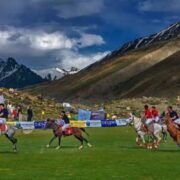
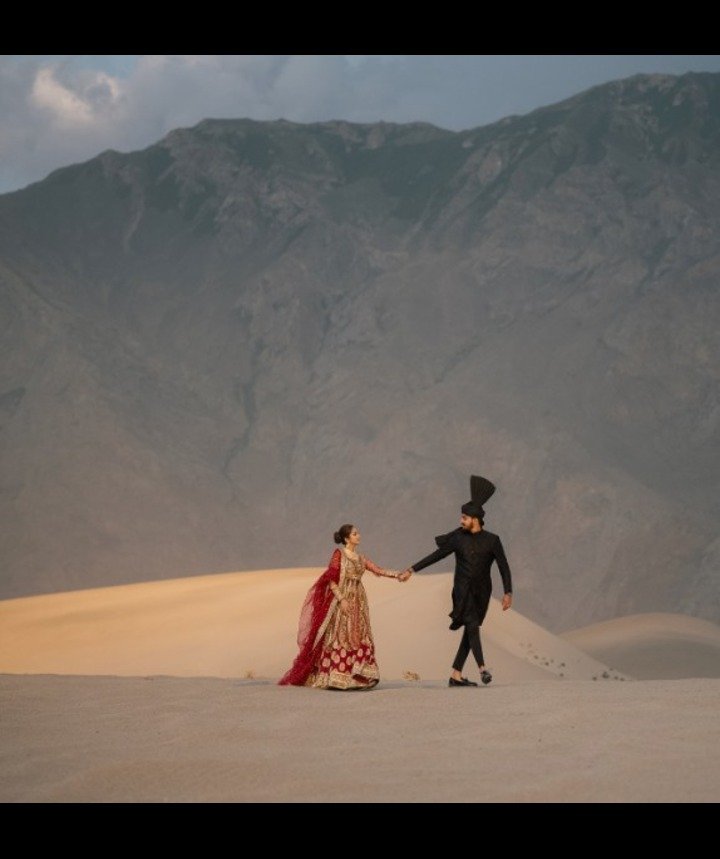
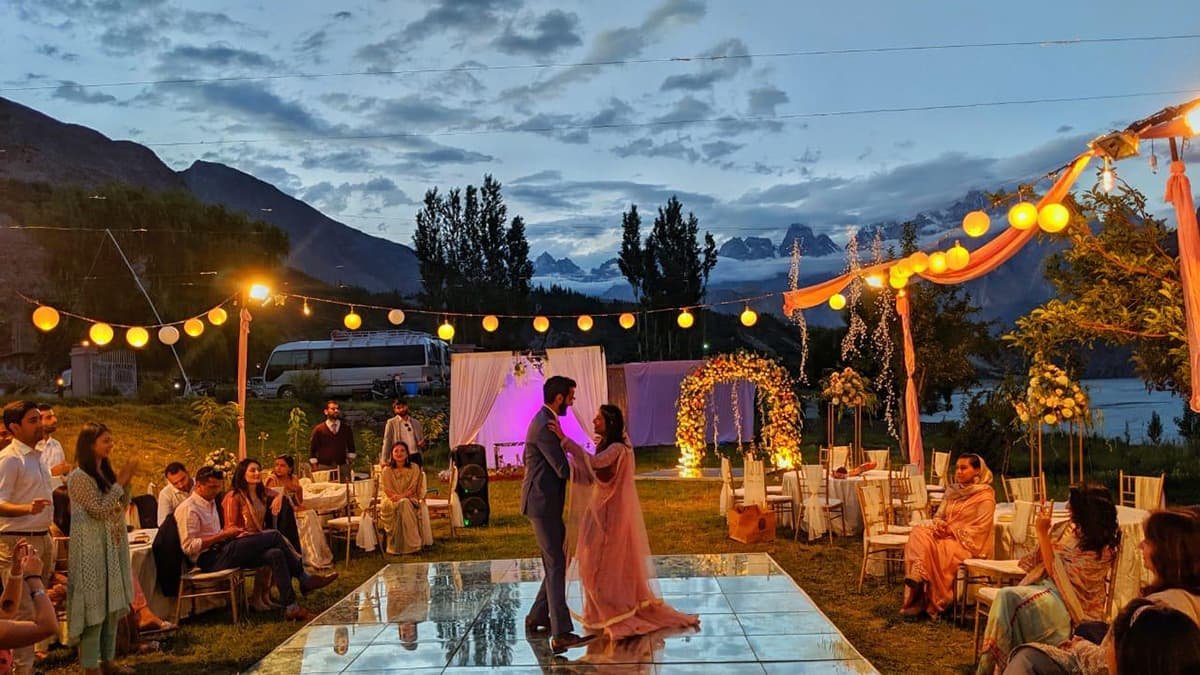
Destination weddings in Pakistan concentrate in two places: Hunza and the northern valleys for the scenery, and the hill stations near Islamabad for accessibility. Both change the logistics. Guests fly or drive to Gilgit or Islamabad and then continue by road, which is why the sensible plan is to arrive a full day before the first event rather than the morning of it. Our Hunza destination wedding guide covers venue thinking and the travel pattern, the Islamabad to Hunza route guide covers the drive, and the Hunza Valley guide covers where to stay once you are there. For a wedding nearer the capital, the Islamabad to Swat guide covers the alternative.
Two things to plan for: altitude and cold evenings in the north, and the fact that a wedding party moves as a group, so independent sightseeing usually has to fit around the events rather than between them.
How to leave, and what to do the next day
You do not need to stay to the end. Guests circulate, and leaving after dinner at the walima is normal. Say goodbye to your host, not to the couple, who will be photographed for another hour. The next day, a short message thanking the family is expected and appreciated; a WhatsApp message is enough, and it is the single thing foreign guests most often forget.
Where the rest of the trip fits
Weddings are usually one part of a longer Pakistan trip. If you are building an itinerary around one, the 7, 10 and 14 day itineraries show how to stitch the wedding days into a northern circuit without wasting travel days, the month-by-month guide explains which seasons suit which region, and the costs guide covers realistic daily budgets. Our destination wedding guide is the planning-side version of this article, and the wedding package page lists what we arrange.
If you are visiting shrines or heritage sites on the same trip, the Katas Raj guide and the Kartarpur Corridor guide cover the etiquette-heavy sites where the same care applies. Entry paperwork for the trip itself is in the visa guide.
Last updated: 5 November 2026. Customs described here vary by region and family; when in doubt, ask your host, who will be pleased you did.
Frequently asked questions
Is it rude to give cash as a wedding gift?
No. An envelope of cash is the standard gift and is how families offset the cost of the event. A small gift from your own country is a warm alternative for a close family friend.
How many events do I need to attend?
Attend what you are invited to, and reply honestly. Turning up to the walima only is completely acceptable if that is what the invitation covers. Saying yes and not appearing is the one thing families remember.
What should a foreign woman wear to a Pakistani wedding?
A shalwar kameez with a dupatta, or a long dress with sleeves and a covered neckline. Bright colours and some embellishment are appropriate. Skip anything very short, very sheer or very tight, and ask your host about the colour code.
Can I bring a guest or my children?
Only if the invitation says so. Numbers at a walima are budgeted per head, so an unannounced extra guest causes real problems for the host even when they are too polite to say it.