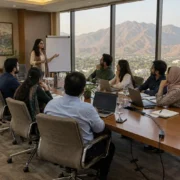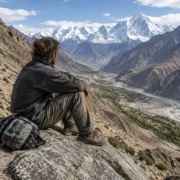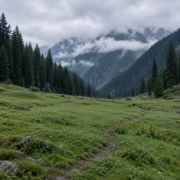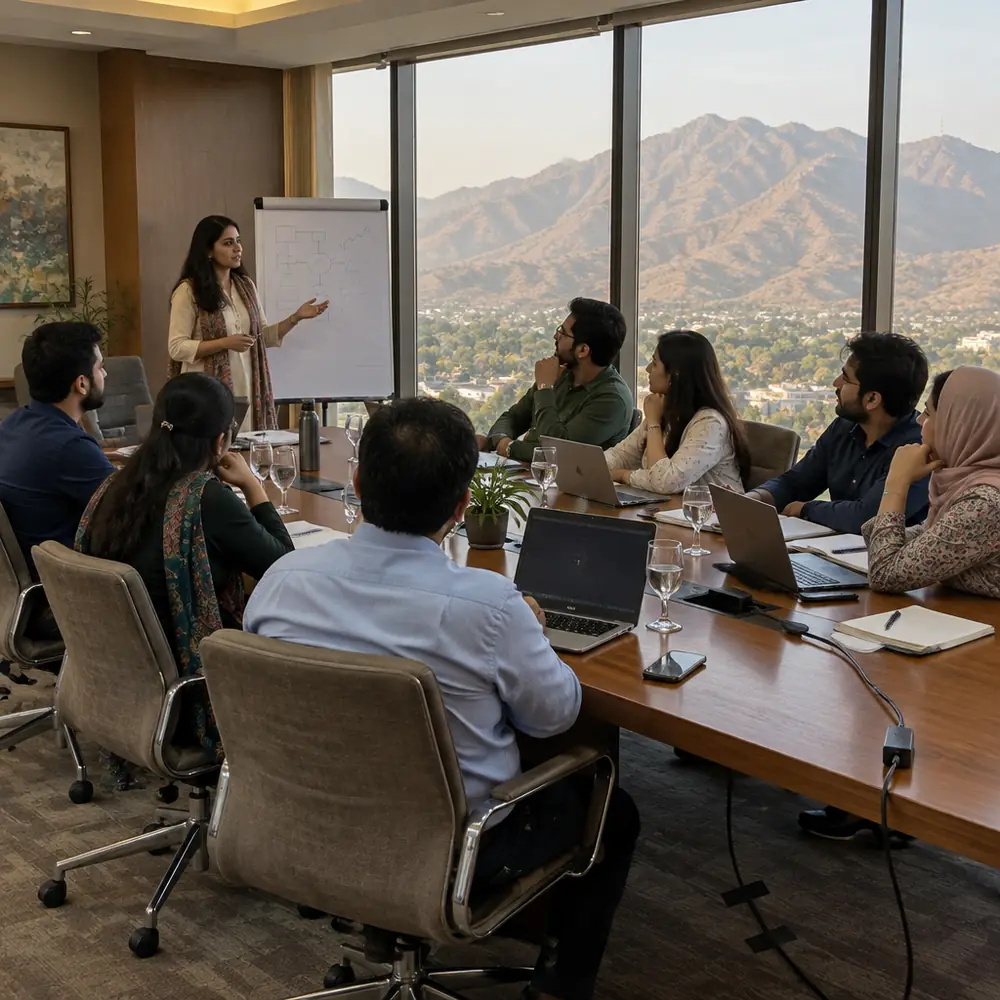
Almost every company that asks us to plan corporate retreats in Pakistan starts from the same picture: one long table, a window full of mountains, and a team that stops answering email for two days. That picture is the easy part. What decides whether the trip works sits behind it, in room lists, meal counts, a projector that has to switch on first time, and eleven people who all need to be back at their desks on Monday morning. A retreat is a business trip with a view attached, and it goes wrong for business-trip reasons: a room block nobody confirmed, a coach that arrived forty minutes late, a session that overran into the only good hour of daylight. This is how we build one, from the first phone call to the last airport transfer.
What a corporate retreat in Pakistan actually looks like
Strip away the brochure language and a retreat here is a short residential trip with an agenda. Most of the ones we run last two to four nights. The group is usually between twelve and sixty people, and it comes from one of three directions: a company based in Karachi, Lahore or Islamabad that wants its team out of the city for a few days; a multinational whose Pakistan office is gathering colleagues from other countries; or a leadership group that simply needs a stretch of time where nobody can open a calendar.
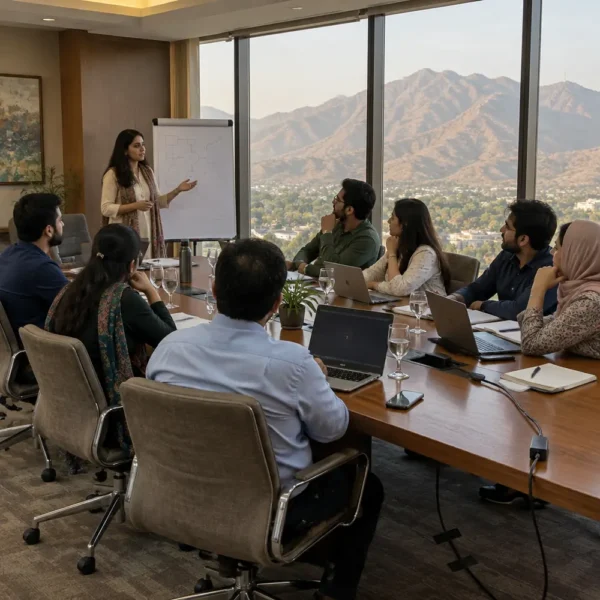
What it is not is a conference. We are not filling a hall with four hundred delegates and a stage. The format that suits this country is smaller and more domestic: a morning of structured sessions, a working lunch, an afternoon outdoors, dinner together, and an early night. Planners who try to import a five-star resort programme usually find that the parts people remember are the walk and the dinner, not the breakout room.
The calendar shapes it too. Most Pakistani companies run a Monday to Friday week, so a retreat that starts on a Thursday evening and ends on a Sunday afternoon costs two working days rather than five, and it keeps the weekend free for the people who have families at home. Friday prayers, school holidays and the wedding season all move the dates.
Choosing the base: city hotel, foothills or a northern valley
Every retreat we plan comes down to one decision made early, and that is where the group sleeps. There are three honest options, and they trade comfort against distance.
A city hotel in Islamabad or Rawalpindi is the safest. Rooms are uniform, the meeting space is built for the purpose, and the internet works. The cost is that nobody feels they have gone anywhere. A team that spends the day in a hotel conference room and the evening in the same hotel restaurant has had an offsite, not a retreat, and some groups genuinely want exactly that.
The foothills are the middle path. Murree, Nathia Gali and the towns above Abbottabad sit two to three hours from Islamabad by road, high enough that the air changes and the pine forest starts, close enough that a delayed arrival still leaves the evening intact. Hotels there are smaller, so a group of forty takes most of one property, which changes the mood.
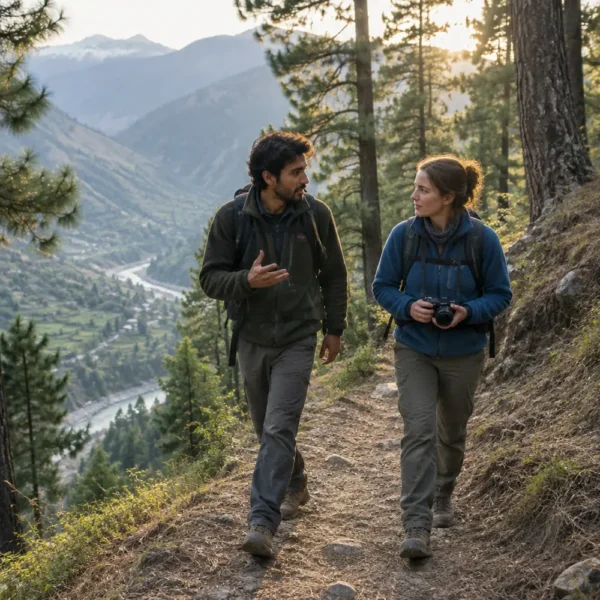
A northern valley is the real thing, and it costs days. Hunza and Skardu are two long driving days from Islamabad, or a short flight when the service runs and the weather agrees, and the altitude, the cold and the distance all have to be built into the plan rather than discovered on arrival. We usually recommend a northern base only for groups of three nights or more, with a buffer day at each end, and never for a group whose senior people have to be reachable throughout. When a company wants the mountains without the commitment, we suggest a foothills base and a long day out, which is the arrangement behind most of our northern mountain tours.
What we settle before your group lands
The work that decides the trip happens in the four to six weeks before anyone packs. We start with a rooming list, names against rooms, and we keep chasing it until it is final, because a hotel block is only held for so long and a late change in November can mean a different hotel entirely. Single occupancy is the line item companies underestimate: a group of thirty where half expect their own room is a group of forty-five rooms, and the quote changes with it.
Then the working day itself. How many people sit at the table, whether it is one room or two, whether the sessions need a screen, a flipchart, a microphone or a translator. We confirm the set-up in writing with the hotel rather than trusting that a conference room is a conference room, and we ask for the room for the whole day, not the morning, so nobody is moved out at lunchtime.
Transport is next. A group of twenty fits in a coaster, the small bus most Pakistani operators use; a group of forty needs two vehicles or a full coach. We build the manifest, match bags to seats, and agree who travels with the group and who meets it there. Arrival transfers get their own line, because a group landing at Islamabad at two in the morning needs a plan and a name on a card.
Last, the paperwork that keeps finance calm. We quote in rupees with a rough dollar figure beside each line, because the exchange rate moves and your finance team budgets in its own currency. Deposits, cancellation terms and the invoice address are settled before the first booking is made, not after. If you are weighing up a retreat against a longer company trip, the tours list shows how the two formats differ, and the destinations pages give the driving times for each base we use.
The working day: meeting space, connectivity and rooms that have to be right
An eight-hour agenda becomes four usable hours once people arrive, so we build blocks of ninety minutes at most, two before lunch and one after, with the last hour left empty. The room must do what the facilitator promises: a screen that takes a laptop without hunting for a cable, a flipchart with unused paper, a back table.
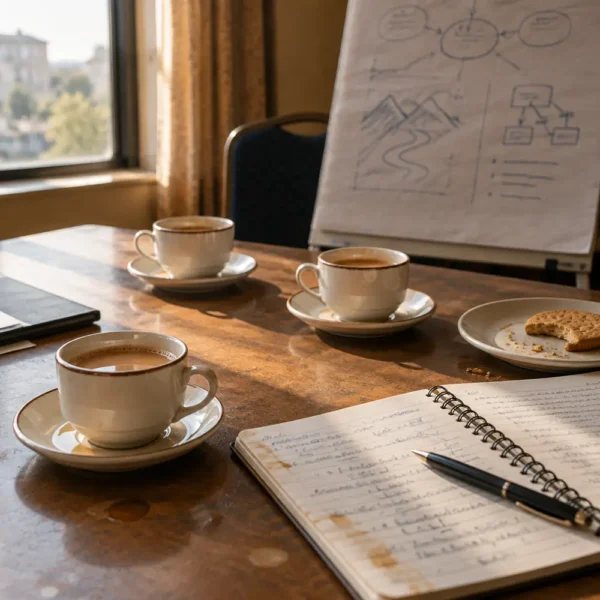
Connectivity is where expectations and reality part company. An Islamabad hotel holds a video call and can add a backup link. The foothills manage email but fail when a whole room joins a call. A northern valley means satellite or nothing, so files are downloaded in advance. Power matters as much as signal: a generator that takes ten seconds to pick up still drops the call.
Rooms decide how rested the group looks at nine: hot water on a timer, a heater that works before midnight, curtains that meet in the middle, and a pairing policy so the early riser is not sharing with the person who works until two.
The other half of the day, when the laptops close
The afternoon is what people describe on Monday, and it works when it is one thing done properly rather than three done badly. A two-hour walk through pine forest with a guide who knows the path. A jeep run to a viewpoint. A fort or bazaar with time to buy something. Not the coach that stops four times for photographs and never lets anyone stand still.
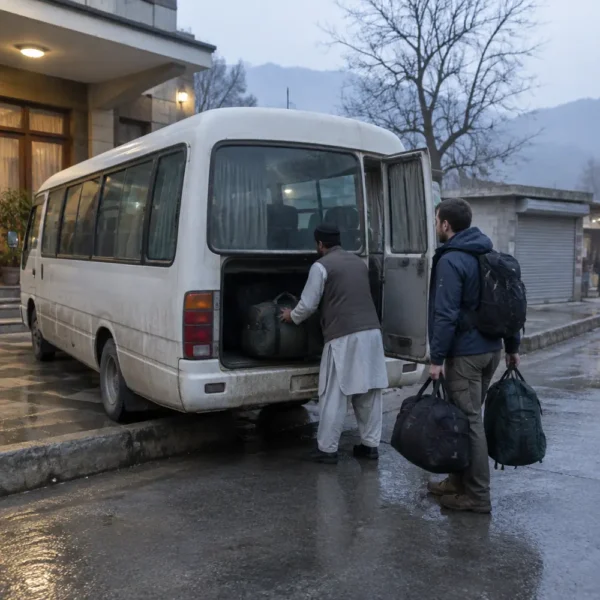
On a day out the vehicle leaves at first light, because mountain roads empty early and fill by eleven. One coordinator travels with the group, a second vehicle stays on call, and people hear the return time in the morning rather than at the point of turning back. For groups heading north the long driving day is a day in itself, which is the reasoning behind our guided Karakoram Highway tour.
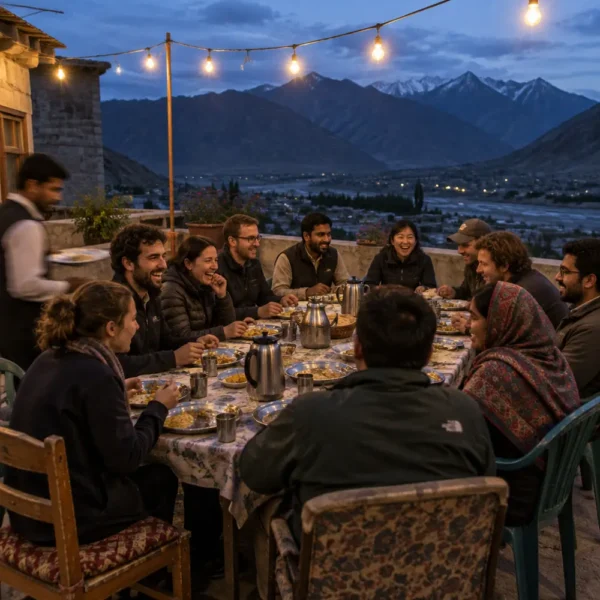
Dinner is the one event we never split. One long table, no seating plan, local food family style, and a hard finish so the evening does not drift into a bar bill finance queries later. A fire and chai afterwards does more than an hour of icebreakers.
What we ask you before we quote a retreat
Six answers shape the price, and we ask on the first call. Headcount, and how firm it is. Whether anyone needs a room alone, and whether families are coming. The purpose in one sentence, because a planning retreat and a sales kick-off want different hotels. The budget per person, excluding flights. How flexible the dates are, since moving a week off a wedding season can shift a quote by a fifth. And who cannot be out of signal, because that one person decides whether a valley is possible.
Then the things nobody puts in a brief: allergies, anyone who cannot manage stairs or a long walk, whether company policy permits alcohol, and who signs off. Two decision-makers and no agreed budget take twice as long as one name on the approval.
Planning yours
Most retreats we run are confirmed six to ten weeks ahead, and the good foothills properties go first for October, November and the spring. Send the headcount, the month and the outcome you want through our contact page, and we will come back with two or three bases, a day-by-day and a cost per head.
Frequently asked questions
How much does a corporate retreat in Pakistan cost per person?
A two-night foothills retreat with rooms, all meals, meeting space and transport from Islamabad usually lands between 45,000 and 90,000 rupees per person; a city hotel sits at the lower end. Single occupancy moves the quote more than hotel category.
What is the smallest group you will take on a retreat?
Twelve is the practical floor for a private retreat, because below that the vehicle, coordinator and reserved meeting room are spread across too few people. Smaller teams do better joining a scheduled departure.
When is the best time of year for a company retreat in Pakistan?
March to May and September to early November are the most reliable, with settled weather and open roads. December to February suits a city or foothills base; avoid the northern valleys from late December until the passes clear.
Can a retreat include both meetings and sightseeing?
Yes, and most of ours do: two mornings of sessions with afternoons outdoors, or one working day followed by a day out. Running both at full length in three days leaves a group behind on each.
Do you help with visas for overseas colleagues?
We supply invitation letters, confirmed bookings and the day-by-day itinerary a Pakistan visa application asks for, and advise on arrival formalities. The application stays with the traveller, so we ask for passport details early.