December is the month Pakistan quietly splits in two. Down on the plains, winter is a soft, habitable thing: cool mornings, pale afternoon sun, a jacket at breakfast and shirtsleeves by two o’clock. Up in the mountains it is a different season entirely, and not by a matter of degree. Roads that carried jeeps in October are under snow, guesthouses that took bookings all summer are shuttered, and a valley on every map can be a day and one landslide from being reachable. The country does not have one winter; it has several, stacked by altitude. Get that right and December becomes the quietest and most photogenic month of the year.
How December Actually Divides the Country
Think of Pakistan as a staircase from sea level to five thousand metres, with December as a line drawn across it. Below roughly a thousand metres, which covers Lahore, Islamabad, Taxila and the whole Indus plain, you are in a Mediterranean-style winter: daytime temperatures in the high teens or low twenties Celsius (the sixties Fahrenheit), nights near single figures, and rain in short bursts rather than the monsoon’s long soak. Hotels and roads stay open, and the summer crowds are absent.
Between roughly one and two thousand metres, in the hills above Islamabad and the lower valleys of Khyber Pakhtunkhwa, December is genuinely cold and occasionally white. Murree and the Galyat hills sit in this band, close enough to the capital for a weekend and high enough to hold snow when a weather system comes through. Domestic winter tourism concentrates here, and a heavy fall can close the approach road for a day or more.
Above two thousand metres the calculus changes again. The Karakoram, Hindu Kush and Himalayan valleys are in deep winter: sub-zero nights as a matter of course, snow that stays rather than melting by noon, and a growing list of places that are formally or practically shut. Some families move down to warmer towns for the coldest weeks and a proportion of guesthouses close until spring. That does not make the high valleys off limits, just a decision you take deliberately.
A fourth band catches people out: the passes. A pass closes on its own schedule regardless of what happens two hours below it. Babusar Pass, which links the Kaghan valley to Chilas, is a summer road and is normally shut by the end of autumn. The Deosai plateau, above four thousand metres, is snowbound until the thaw. Any route crossing high ground rather than following a river is a summer route.
The Plains and Low Hills: Lahore, Islamabad and Taxila
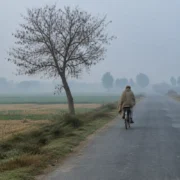
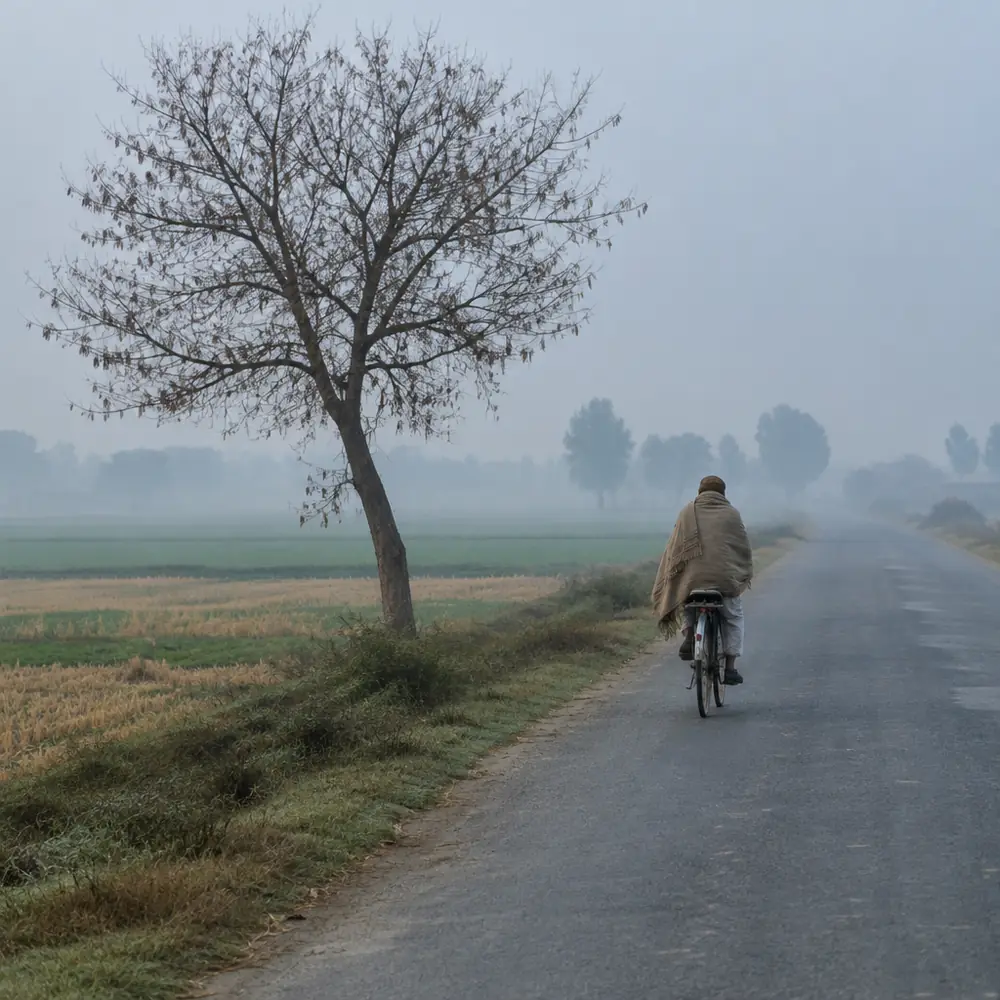
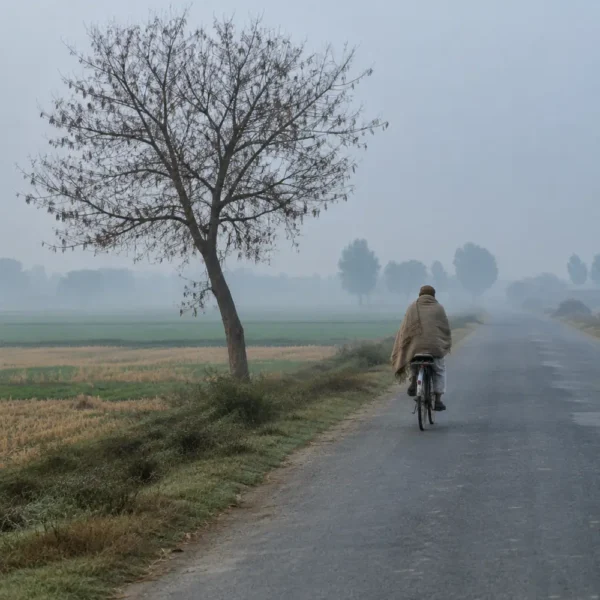
If you want a December trip that does not hinge on forecasts, base it on the plains. Lahore is at its most comfortable: the Mughal monuments at their least crowded, the food streets busy at night, a light jacket enough for the evening. The trade-off is haze. Cold air sits close to the ground, so mornings can be grey and misty, with the sun arriving late and leaving early. Photographers should plan around it, since the softened light often beats October’s harsh brightness.
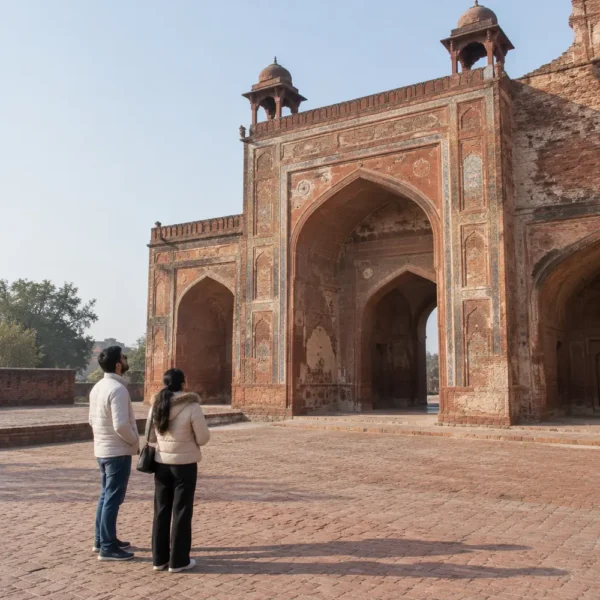
Islamabad sits a little higher and feels it. The Margalla hills behind the city catch cloud, morning walks are crisp, and the Faisal Mosque looks its best against a hard blue sky. Taxila is under an hour away, where the Gandharan ruins and the museum reward a half day; the site is spread out, so go early.
Practical shape: four to five days, one base in Lahore and one in Islamabad, moving by road or a short domestic flight. Book nothing around a fixed mountain date. If a settled cold spell appears in the forecast, add two nights in the hills above the capital at short notice; if it does not, you have lost nothing. Our guide to what a Pakistan trip actually costs is worth reading before you fix a budget, since winter rates in the lowlands are generally lower than summer ones.
Which Mountain Valleys Stay Reachable, and Which Do Not
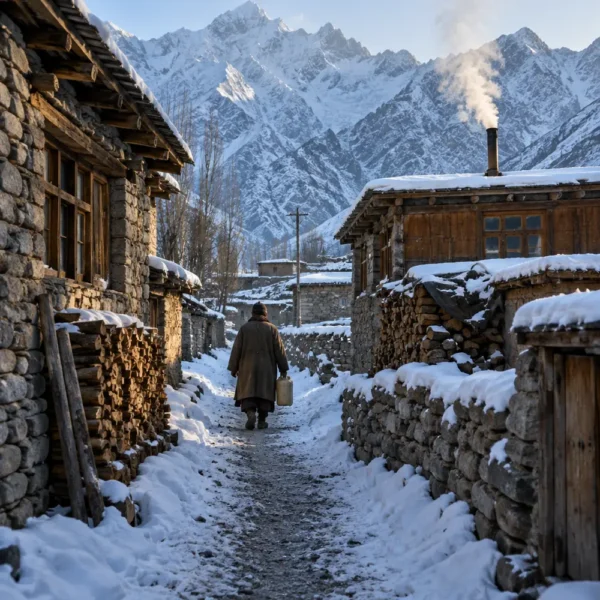
The northern valleys divide less by altitude than by how you get into them. Valleys served by the Karakoram Highway (KKH), the paved road from the plains up through Gilgit toward the Chinese border, stay open through winter in the ordinary sense: traffic continues, snow is cleared, and the road closes for hours rather than for the season. Hunza and the country around Gilgit fall into this group. Days are short and cold, the apricot trees are bare, and the peaks are sharper than in summer, but you are on a working road with villages that live there all year.
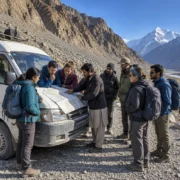
Valleys reached by a jeep track or a high pass are a different proposition. Side valleys off the KKH and anything requiring Babusar Pass should be assumed unreachable unless someone on the ground says otherwise in the week you travel. Ask about the last ten kilometres, not the whole valley, because that is usually where the problem is: an unsurfaced climb, a slide, a bridge.
Skardu and the Baltistan valleys sit in between. They can be reached by road along the Indus or by a short flight, and the flight is the variable. Winter weather cancels mountain flights with little notice, so build in a spare day at each end rather than a same-day connection. If you are set on the mountains in December, book that way: a KKH valley as the base, one high valley as the ambition (our bucket list itineraries show the shapes that work), and enough slack to drop it without wrecking the trip. Our northern mountain tours page sets out which routes we run outside summer, and the lakes of Pakistan guide is honest about which water is a summer sight and which a winter one.
Snow, Sun and Short Days: What a Winter Day Looks Like
The biggest adjustment in a Pakistani December is not temperature, it is daylight. Lahore and Islamabad get roughly ten hours between sunrise and sunset, with light gone a little after five. In the northern valleys the sun clears the ridge late and drops behind it early, so a village that feels spacious in June gives you six usable hours. Travel in the morning and arrive before four; mountain roads in the dark are much worse.
Expect the day to run in layers. A valley floor at 1,500 metres can sit near freezing at dawn, reach fourteen degrees in afternoon sun, then fall fast once the shadow crosses. Snow is heaviest above 2,500 metres and rare on the plains, though Punjab gets fog-bound mornings that close the motorway.
What to Pack and What to Book Before You Leave
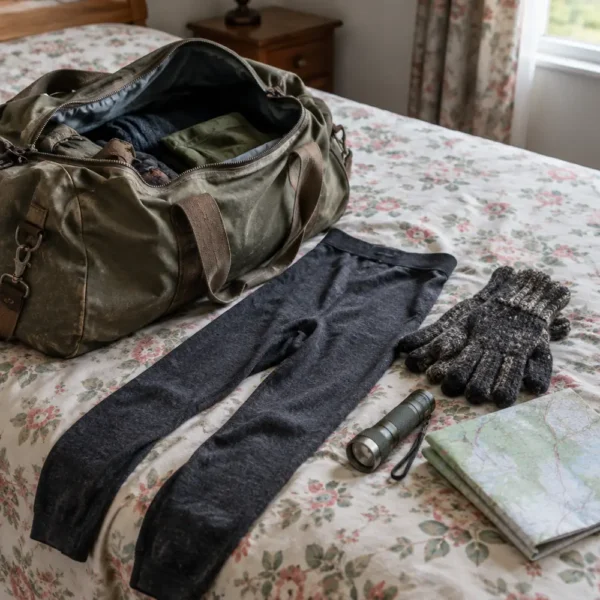
Pack for a heated room and an unheated one, because you will get both. Thermals, a fleece, a windproof shell and a warm hat do more than one heavy coat, and a light sleeping bag earns its space where the blanket is thick but the room is cold. Add a headtorch, a power bank, and more cash than feels necessary: small towns run out of notes.
Booking matters more than packing. Confirm in writing that your room has heating, not just blankets, and that the kitchen is open, since many small hotels shut from mid-December to March. Ask which vehicle is being sent and whether it has winter tyres, and confirm cancellation terms for a weather-forced change. Keep a spare day at each end of a mountain leg: a cancelled flight costs a day, not a week, if the slack is already there. Our Pakistan travel costs breakdown shows how much of a December budget goes on transport rather than rooms.
Honest Limits: Roads, Passes and Weather That Changes Plans
Some things do not happen in December. Babusar Pass is shut, which cuts the short Naran route to Gilgit and forces the longer run up the Karakoram Highway. The Fairy Meadows track is out, Deosai is a snowfield, and the Galyat hills get snow plus weekend crowds that turn a two-hour drive into five.
What works is the spine of the country: the motorway network, the KKH as far as Gilgit and Hunza, and the Indus road toward Skardu when weather allows. Even there, plan around a slide rather than being surprised by one. Check conditions locally in the week you travel, keep your first and last nights in a city with an airport, and treat any high valley as a bonus. That is not a compromise; it is why a December journey here is quiet, cheap and clear.
Plan a December Route With Us
If you want the plains, one reachable valley and slack to absorb a closed road, we build winter routes that way: fixed nights in Lahore or Islamabad, a KKH valley as the base, and a plan B agreed before you fly. Start with our destinations pages to see what stays open, browse our city guides for the plains, then tell us your dates and we will say honestly what December will and will not give you.
Frequently asked questions
Is December a good time to visit Pakistan?
Yes, for the plains and lower mountain valleys. Lahore, Islamabad, Taxila and the KKH up to Hunza are cool, clear and quiet, with low prices and few tourists. It is a poor month for high alpine country, where passes close and many guesthouses shut.
Can you visit Hunza in December?
Usually yes. The Karakoram Highway stays open to Gilgit and Karimabad in most winters, though slides can delay it. Expect cold nights, thin hotel choice and short days, and keep a spare day for the flight back.
Is the Karakoram Highway open in winter?
It normally stays open year round, unlike Babusar Pass, which closes and forces the longer route. Landslide clearance can still stop traffic for hours or a day, so check conditions locally and avoid night driving.
How cold is Pakistan in December?
Plains cities sit around 5 to 20 degrees Celsius, cold in the morning and mild by afternoon. Mountain valleys drop below freezing at night, often to minus 5 or lower, and ground above 2,500 metres holds snow.
Do I need to book ahead for December?
Book rooms and transport ahead, not because it is busy but because supply shrinks. Confirm heating, an open kitchen and a 4×4 in writing, and check cancellation terms for weather changes.