Booking a room in northern Pakistan does not work the way it does in a European or North American city. In the mountain districts, from Hunza and Skardu to the Kaghan valley and Swat, many of the most comfortable places to sleep are family guesthouses with six or eight rooms, a mobile number and no listing on any international booking site. The rooms are often excellent. The booking process is simply different, and once you know its shape it stops being stressful.
This guide covers the three kinds of accommodation you will meet, when to book and when you can wait, what a proper confirmation looks like, and the questions worth asking before you send any money. If you would rather not manage any of it, we hold the rooms on our own routes, and you can see those on our northern mountain tours page.
The northern hotel market in one paragraph
Northern Pakistan runs three accommodation markets at once. Town hotels in Gilgit, Skardu, Chilas and Abbottabad are ordinary hotels with a reception desk, a generator and an online listing. Village guesthouses are family houses with a few furnished rooms, usually found through a phone number, a Facebook page or word of mouth. Between them sit the small resorts and tented camps that appear for the summer and close when the snow comes. Almost every property is small, almost every one is seasonal, and almost none is staffed by people whose job is reservations. That single fact explains most of what follows.
The three kinds of place you will meet
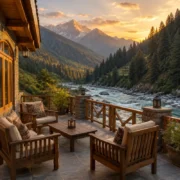
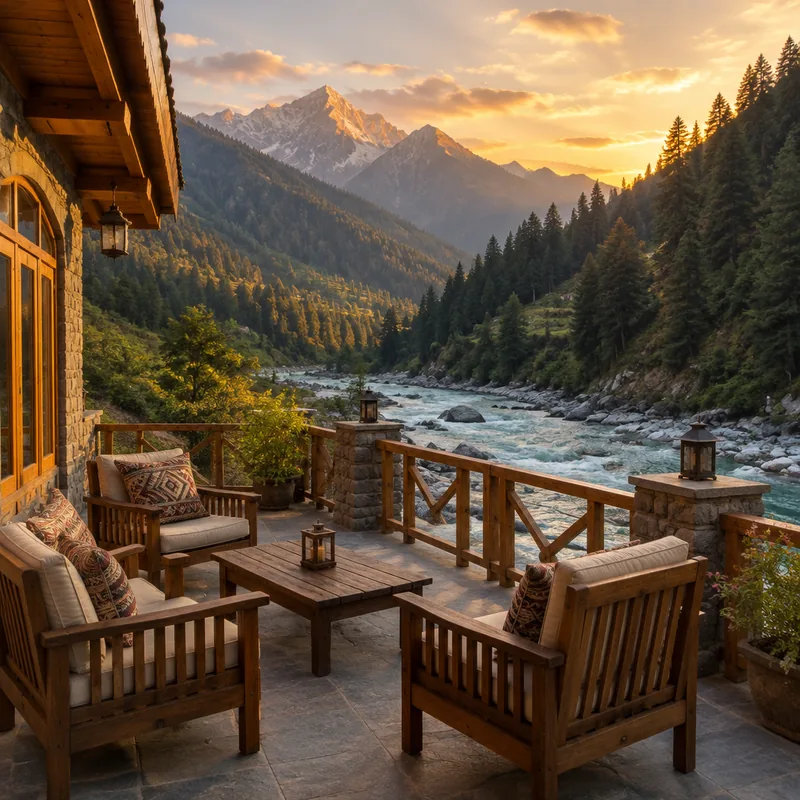
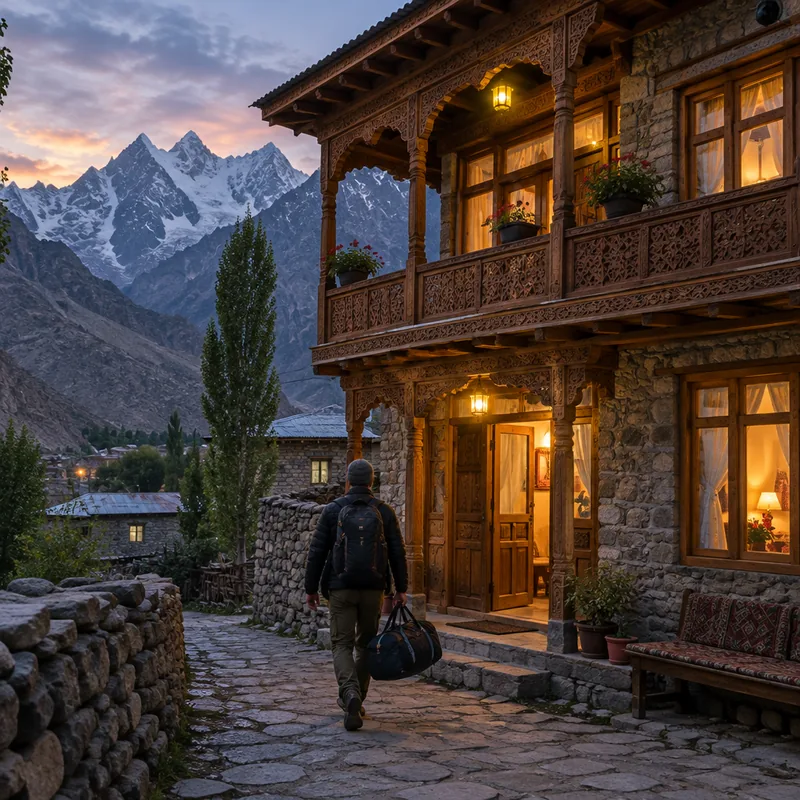
Guesthouse. A family home with rooms let to travellers. Meals are often cooked by the family, the bathroom may be shared, and hot water may arrive in a bucket at an agreed hour. What you lose in polish you usually gain in welcome, and in a village of forty houses it is often the only option.
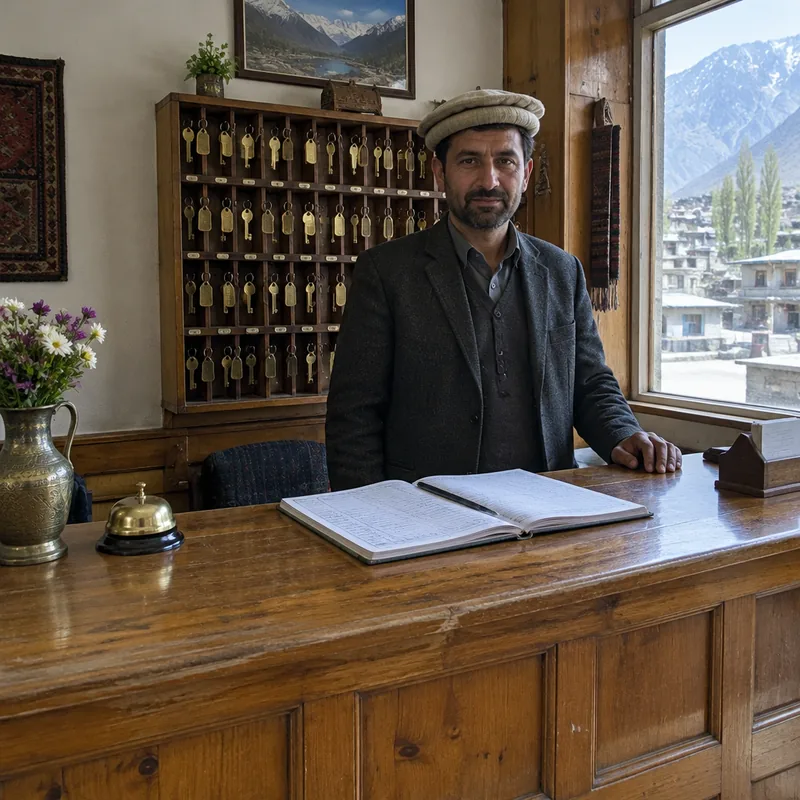
Hotel. A staffed property in a town or a large village, with a proper reception, a dining room and usually a generator. This is where cards are most likely to work and where a late arrival is easiest to absorb.
Resort, camp or hut. Seasonal places in a meadow, on a lake shore or at the head of a valley: furnished tents, wooden huts, a dining marquee. They usually open from late spring to early autumn and close for the winter, so they simply do not exist as a booking in January.
When to book, and when you can wait
Two calendars govern the north: the weather and the Pakistani holiday calendar. Late June to mid September is the main season, when families from Lahore, Karachi and Islamabad drive to the mountains and weekend nights fill first. The Eid holidays empty the cities into the valleys and are the single hardest week of the year to find a room. Late March to mid April brings blossom season to Hunza and Skardu and a second, shorter rush.
In practice: for a popular village in high season, book eight to twelve weeks ahead. Outside the season, twenty-four to forty-eight hours is usually enough, and many travellers simply call from the road. What you should never do is arrive in Hunza at eight in the evening in July with no room and no number. If you are building a route rather than a single stop, our Naltar Valley and Khaplu guides show how a valley day actually runs, and the Neelum Valley itinerary covers a five-day version from Islamabad.
Why a confirmation message matters more than a booking platform
Listings go stale. A property changes hands, closes for a family wedding, or is full but still shows availability because nobody updated the calendar. What protects you is a message from the property’s own number confirming the dates, the room type, the number of guests and the total. Ask for the name of the person confirming, save a screenshot that works offline, and send a short message on the morning of arrival. On a platform booking, message the property directly the day before. Two minutes of messaging prevents almost every bad arrival in the mountains.
Seven questions to ask before you pay
- Heating: a gas heater, an electric blanket, a wood stove, or nothing but quilts?
- Hot water: at what hours, and is it a geyser or a bucket?
- Power: is there a backup generator or inverter when the line goes?
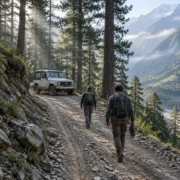
- Access: how far from the main road, and does the last stretch need a jeep?
- Meals: is dinner available, and is it included or paid separately?
- Bathroom: private or shared, and is there a western toilet?
- Cancellation: what happens to an advance if the road closes or your flight is cancelled?
A room at altitude can be beautiful and cold at the same time. These seven answers tell you more about the night you are buying than any photograph of a bed with folded towels.
Paying: cash, cards and advances
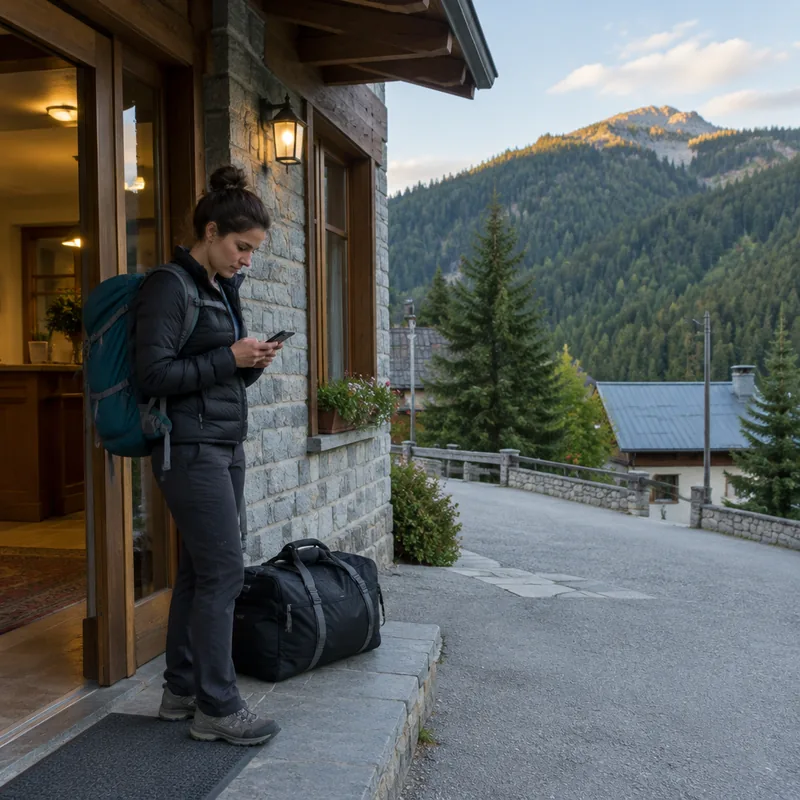
Cash remains normal outside the big towns. ATMs exist in Gilgit, Skardu and the main Hunza settlements but not in villages, and they run out on holiday weekends. Larger hotels in towns usually accept cards; a family guesthouse rarely does. Many properties ask for an advance by bank transfer to hold a room in season. Before sending one, ask for the account title and check it matches the property name, ask for the advance to be confirmed in writing, and agree whether the balance is paid in rupees on arrival. Keep the transfer receipt on your phone.
Rooms at altitude: heating, water and power
Mountain houses are built for summer, and insulation is thin. Nights are cold even in July above 2,500 metres, so ask for extra quilts before you need them. Hot water often runs on a schedule, because the geyser is switched on for a few hours rather than kept hot all day. Power cuts are a normal part of village life and a generator may run only in the evening. Water pressure is low, which makes a hot shower a matter of timing rather than plumbing.
None of this is a complaint. It is the ordinary reality of a village at altitude, and it is part of why the valleys feel the way they do. It is also the reason the questions above matter more than the decor.
What a good room looks like at each level
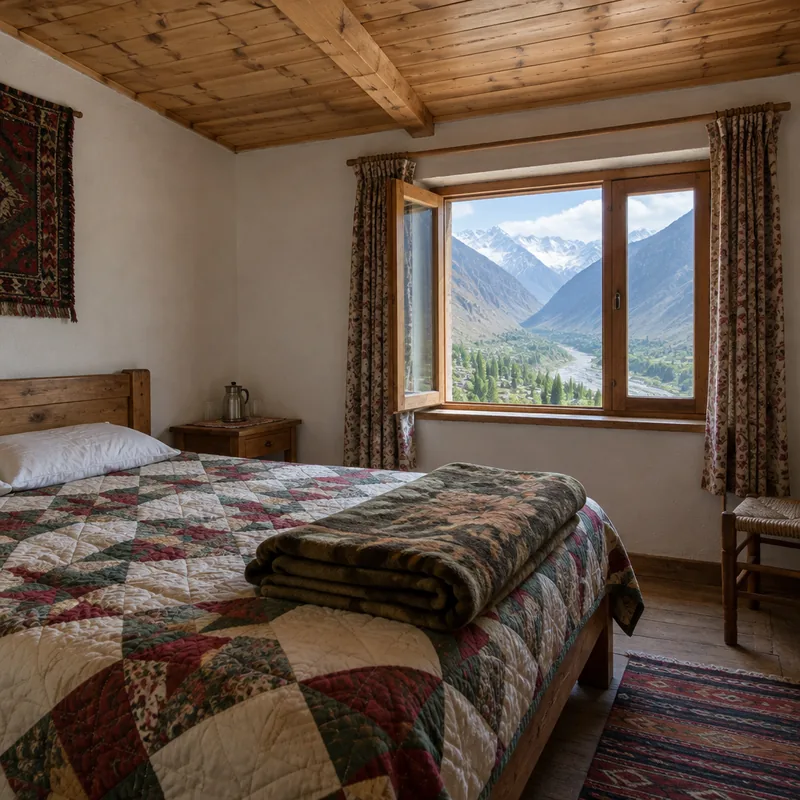
Basic. A clean bed with proper quilts, an attached bathroom, hot water by bucket at an agreed hour, and a terrace with a view. Perfectly comfortable for one night if you know what you are getting.
Comfort. A heater in the room, hot water morning and evening, backup power, meals on request, and a garden or courtyard to sit in. This is the level most of our own routes use in villages.
Higher end. Central heating or a stove in the room, reliable hot water, a generator that covers the evening, better insulation, and usually the best view in the village.
The gap that matters between these levels is heat and hot water, not furniture. A plain room that is warm at ten at night beats a handsome one that is not.
Letting someone else handle the bookings
On a multi-stop route every night is a different village, and each village has its own handful of properties. An operator holds those numbers, knows which houses actually have hot water in October, and can move you the same evening if a landslide closes the road. That is the practical difference a guided route makes, and it is the reason our northern mountain tours include rooms rather than leaving you to find them. You can browse the our full tour list, read what a Pakistan trip costs, or ask us directly through our contact page.
If you would rather plan it yourself, the Hunza and Skardu guides list the towns where rooms are plentiful, which is where a first independent trip is easiest.
Frequently asked questions
Can I book hotels in northern Pakistan online?
Some town hotels appear on international platforms, and a growing number of guesthouses have a Facebook page with a phone number. Village guesthouses are usually booked by message or call. Treat any listing as a starting point and confirm directly with the property.
Do hotels in Hunza and Skardu take credit cards?
Larger hotels in the main towns often do, smaller guesthouses and village properties usually do not. Carry enough cash for the nights you spend outside the towns, and withdraw in Gilgit or Skardu rather than in a village.
Should I book ahead or find a room on arrival?
Outside the high season, arriving and asking works well and lets you see the room first. In July and August, over Eid, and during blossom season, book ahead and confirm the day before you travel.
Do mountain hotels stay open in winter?
Town hotels generally stay open. Many village guesthouses and all the tented camps close once the snow arrives, and some valleys become hard to reach. Winter travel needs a confirmed room before you set off, not after.
What should I ask before paying an advance?
The account title, a written confirmation of the dates and room, what the advance covers, and what happens if the road closes. A property that answers those four questions clearly is usually a property that will look after you.
Ready to stop worrying about rooms? Message us on WhatsApp at +92 344 7181087 or send an enquiry through our contact page, and we will tell you honestly which valleys suit the dates you have.