Pakistani hospitality is generous enough that a foreign visitor can get most things wrong and still be treated well. But the small customs do change how you are received, and most of them take no effort once you know them. The short version: greet people properly, use your right hand, take your shoes off, dress a little more carefully than you would at home, and never refuse the first cup of tea on principle.
What follows are the fourteen that matter in practice, from the way you enter a shop to the way you leave a shrine.
1. Greet first, and greet properly
Salaam alaikum is the default greeting and it works everywhere, with anyone, at any time of day. Shaking hands is normal between men. With women, wait to see whether a hand is offered; many women will place a hand on their chest instead, which is a warm greeting rather than a rejection. Do not offer a hand first to a woman you have just met, and do not be offended if a handshake is not taken.
2. Right hand for everything that matters
Eat, pass, give and receive with your right hand. Money, food, documents, gifts: the right hand. The left is considered unclean for these purposes, and while nobody will scold a visitor, using it is noticed. If you need both hands, that is fine; it is the deliberate single-handed left-hand pass that reads badly.
3. Shoes come off
In mosques and shrines, always. In homes, look at the doorway: if there is a rack or a line of shoes, follow it. Many shops, clinics and offices also expect it. Wear footwear you can step out of without undoing laces.
4. Dress slightly above your instincts
Shorts and sleeveless tops are unusual outside beach and trekking contexts. Loose trousers or a shalwar kameez, a shirt that covers the shoulders and a scarf for women in shrines is the working standard. It is not about strictness; it is about signalling respect, and it noticeably changes how people talk to you.
5. Hospitality has rules, and tea is one of them
If you are invited for tea, you are being welcomed, and declining costs your host something. Accept the first cup even if you do not want it. If you genuinely cannot drink more, hold the cup and sip; nobody counts. The same applies to food offered in a home: take a little, and it is polite to accept a second helping.
6. Bargaining is normal in markets, not in shops
In bazaars, expect to negotiate, and expect a starting price that is not the real one. Do it with humour rather than confrontation. In a shop with fixed prices, a supermarket or a restaurant, do not. The tell is simple: if the price is written down, it is fixed.
7. Ask before photographing people
Landscapes, monuments, streets and stalls: photograph freely. People, particularly women and children, should be asked first. The answer is often yes, and a photograph taken after asking is usually a better one. Never photograph a shrine interior during prayer, and do not film security installations or checkpoints.
8. Ramadan changes the day
During Ramadan, offices shorten their hours, restaurants close in daylight, and eating or drinking openly in the street is inconsiderate. If you are travelling then, eat inside your hotel or in a closed café, keep water in your bag, and expect evenings to be busy and festive after sunset.
9. Shrines and mosques have their own manners
Cover your head, remove your shoes, keep your voice down, and do not walk in front of someone who is praying. Women should cover their hair and wear loose clothing. Do not touch or photograph the graves; some shrines are precise about this and a caretaker will say so. If you are unsure, watch what the person beside you does.

10. Friday is not a working afternoon
Friday prayers run around midday and many businesses close for an hour or two either side. Avoid scheduling a meeting, a museum visit or a long drive that has to start exactly then, and do not plan to be inside a mosque as a visitor during the sermon.
11. Gender and personal space
Physical contact between unmarried men and women in public is uncommon, and public displays of affection draw attention. A handshake between men, or a hand on the shoulder between friends of the same gender, is normal. Read the room rather than leading with familiarity.
12. Tipping is expected but small
In restaurants, ten percent is normal where a service charge is not already on the bill. For drivers, guides and hotel staff, a modest note is appreciated and rarely refused. Do not tip by trying to overpay visibly for a favour; it can feel like charity, which families find difficult.
13. Cricket, and football, are safe conversation
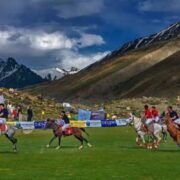
Ask about cricket and you will have a conversation for an hour. Football gets you one in Gilgit-Baltistan. Politics is a subject locals will often raise first and foreigners are usually wise to keep light, and never criticise the country you are a guest in to the person feeding you.
14. Leave properly
When you leave a home, thank the host, and thank the person who cooked. A WhatsApp message the next day is the standard and it is remembered. If you were shown hospitality, sending one photograph from the visit is a better thank-you than anything bought.

Where these matter most
The etiquette is the same countrywide, but the stakes differ. Shrines, rural villages and the Kalash valleys are places where manners are noticed closely. Our guides to Katas Raj temples, the Kartarpur Corridor and the Bumburet valley cover the specifics for each.
For the practical side of the trip, the visa guide covers entry paperwork, the costs guide covers budgets, and the safety answer deals with the question every visitor asks first. If a city is your first stop, the Lahore guide and our Islamabad tour packages put the etiquette in context. Festival etiquette is covered in the Lok Mela guide, and the month-by-month guide covers when to travel.
Last updated: 5 November 2026. Customs vary by region and family; when in doubt, watch what the person beside you does.
Frequently asked questions
Do I need to speak Urdu to be polite?
No. Salaam alaikum, shukriya for thank you, and a smile cover most situations. Pakistanis are used to visitors who speak no Urdu and will help; attempting two words is received as warmth.
Is it offensive to refuse food?
Refusing the first offer reads as formality and is usually insisted past. Refusing twice is understood. Take a small portion and eat what you can; leaving food is not an insult, but refusing hospitality outright is noticed.
Can I wear shorts in Pakistan?
For trekking and at the beach, yes. In cities, markets and shrines, long trousers are far more comfortable socially and you will attract less attention.
What should I avoid saying?
Criticism of the country, its army or its religion, especially to someone who has just offered you tea. Ask about cricket, food, music or their home town instead.