

Naran Kaghan Tour
Naran and Kaghan is the valley most Pakistanis mean when they say they are going north for the weekend. It is the closest of the big mountain valleys to Islamabad, it has a lake that people have been photographing for fifty years, a pass at 4,173 metres that drops you into Gilgit-Baltistan, and a single road up the middle that carries all of it.
That popularity cuts both ways. In June the valley is green and empty on a Tuesday and jammed bumper to bumper on a Saturday. This guide covers what a Naran Kaghan tour actually includes, how many days you need, which lakes and meadows are worth the jeep fare, when the passes open, how much to budget and how to avoid the crowds that give the valley its reputation.
Naran Kaghan tour packages: how to book
Three ways, the same as every valley we run. A seat on a public departure where we set the date. A private trip on your own dates with your own vehicle and hotel standard. Or, for travellers coming from outside Pakistan, a package quoted in US dollars from our Explore Pakistan collection.
Naran, Kaghan and Saif ul Malook
Up through Balakot and Kaghan, a night at Shogran or Naran, the jeep to Saif ul Malook, Babusar Top and Lulusar on the way through, and the drive home. The trip that fits a long weekend.
See the 4 day planFairy Meadows and Naran
Naran and the lakes first, then over Babusar and up the road towards Raikot for Fairy Meadows and the view of Nanga Parbat. The best value five days in the north for a first trip.
See the 5 day planPrivate Naran and Kaghan trip
Your own vehicle and driver, your own pace, and the side valleys added or dropped as you like: Siri Paye, Makra Peak, Lalazar, Dudipatsar. Quoted on your party size and the hotel standard you want.
Ask for a route and a quoteWhere trips start. Most of our Naran departures leave from Islamabad, which is six to eight hours from Naran, with Lahore pickups on the same run north. For Karachi, Faisalabad, Multan or Peshawar the sensible version is usually to fly or travel to Islamabad first and join there, or to let us quote a custom route that starts where you are. Ask for the city you are leaving from and you get a plan that starts at your door.
On prices. Naran is priced on your dates, how many are travelling, the hotel standard and the day of the week, because a Saturday in July is not a Tuesday in June. Jeeps to Saif ul Malook and Siri Paye are quoted as their own lines. Nothing on this page is a fixed per-person rate.
Where the Kaghan valley is
The Kaghan valley runs northeast from Balakot in Mansehra district, Khyber Pakhtunkhwa, following the Kunhar river for about 155 kilometres to the Babusar pass on the border of Gilgit-Baltistan. Naran is the main town, roughly two thirds of the way up at about 2,400 metres, and everything in the upper valley is measured from it: Saif ul Malook an hour by jeep, Lulusar an hour and a half by road, Babusar another forty minutes past that.
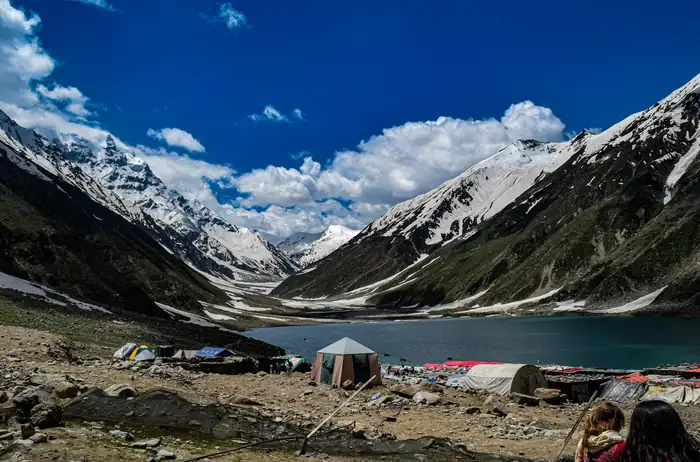
The lower valley is pine forest and terraced fields, the middle is the bazaar strip at Naran, and the upper valley is bare rock, alpine meadow and lakes. Balakot at the entrance was destroyed by the 2005 earthquake and rebuilt, and it is where the mountains start in earnest. Everything above it is one road, which is why weather and traffic in this valley are the same conversation.

The lakes, and which ones are worth the jeep
Lake Saif ul Malook
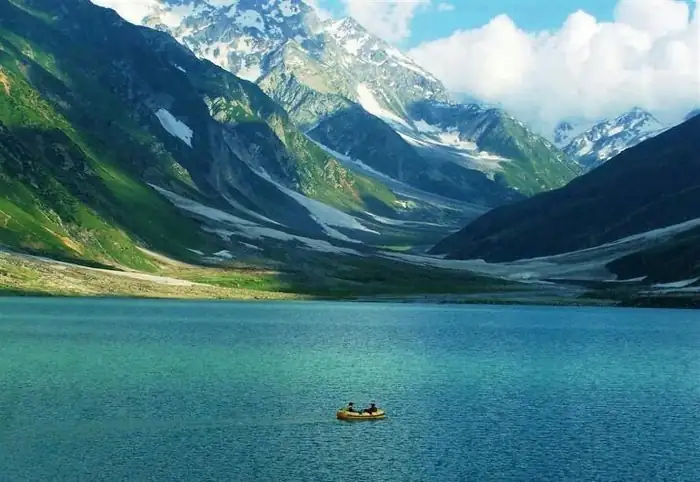
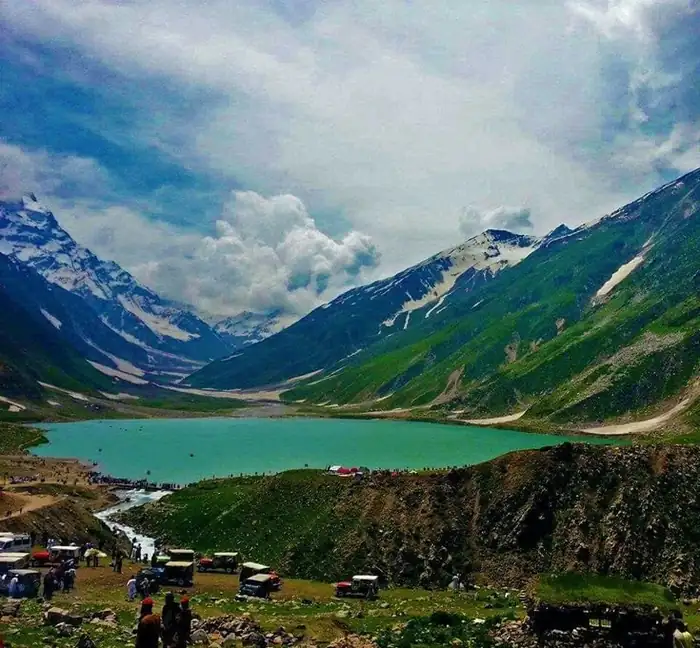
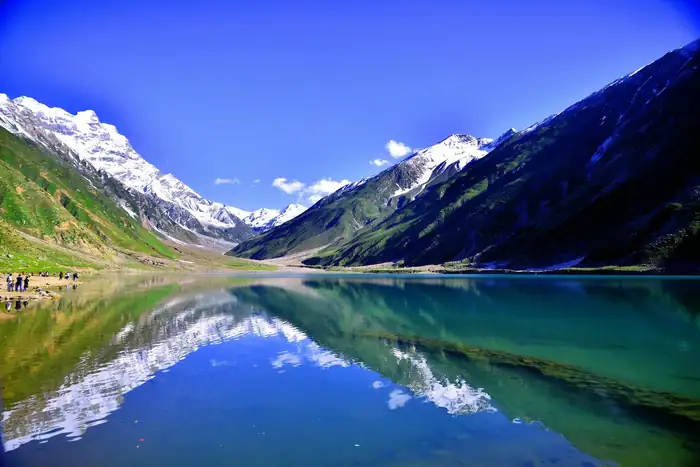
The lake everyone comes for, at about 3,224 metres, sitting under Malika Parbat, the 5,290 metre peak that looks straight down on it. The water is glacial and the colour changes through the morning. There are two ways up: a local jeep from Naran bazaar, about an hour on a rough track, or the walk, four to five hours up and three down. Go early. By eleven in summer the jeep stand is a queue and the lake shore is a picnic crowd.
Lulusar Lake
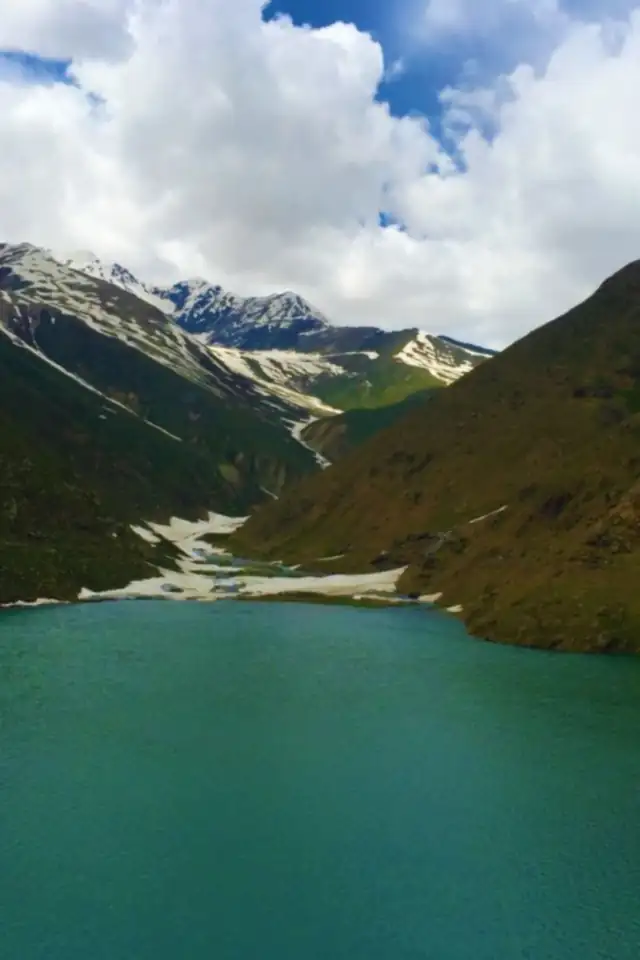
On the road to Babusar at around 3,410 metres, Lulusar is the largest lake in the valley and the one you reach without a jeep. It is the headwater country of the Kunhar, wide and wind-whipped, with the road running along one side. Twenty minutes is enough for most people, an hour if the light is good, and it is the natural stop between Naran and the pass.
Ansoo Lake and Dudipatsar
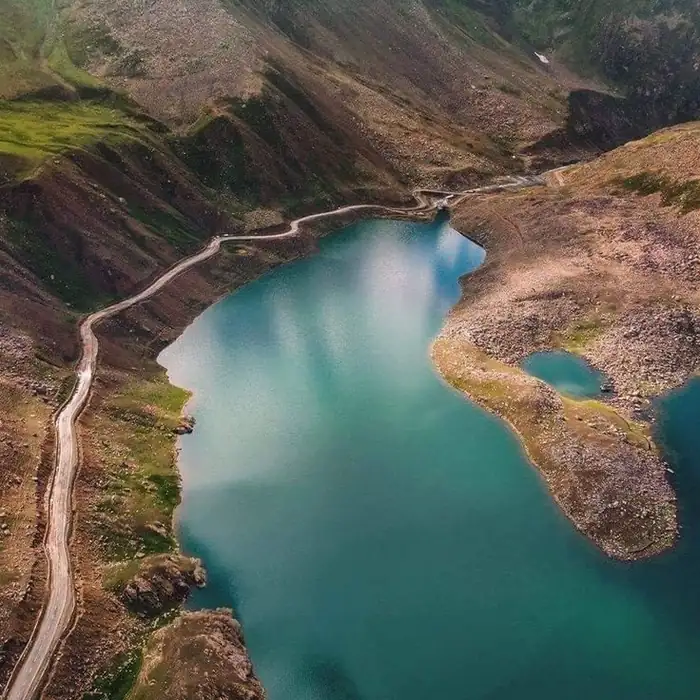
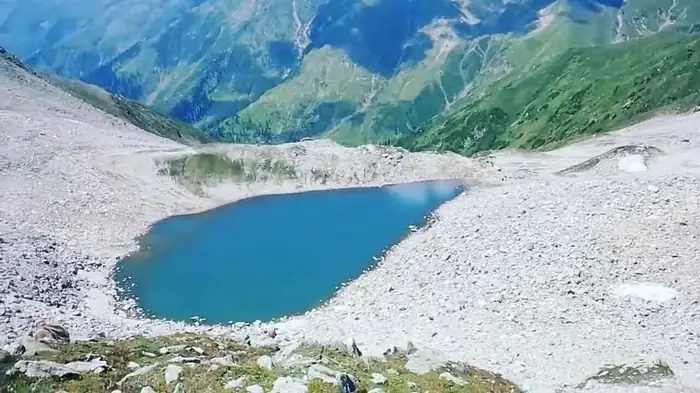
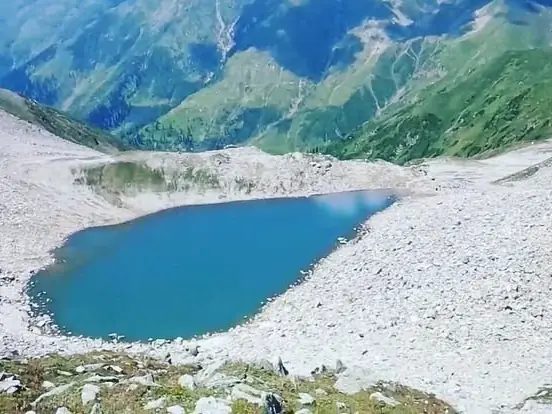
These two are walks, not stops. Ansoo, the teardrop lake at about 4,126 metres, is a full day trek from Saif ul Malook and only for people who are already comfortable at altitude. Dudipatsar, at around 3,800 metres beyond Lulusar, is a four to five hour walk each way from the road and one of the most beautiful places in Pakistan, which is exactly why it stays quiet. Both need a guide, an early start and a clear forecast.
Shogran, Siri Paye and the meadows
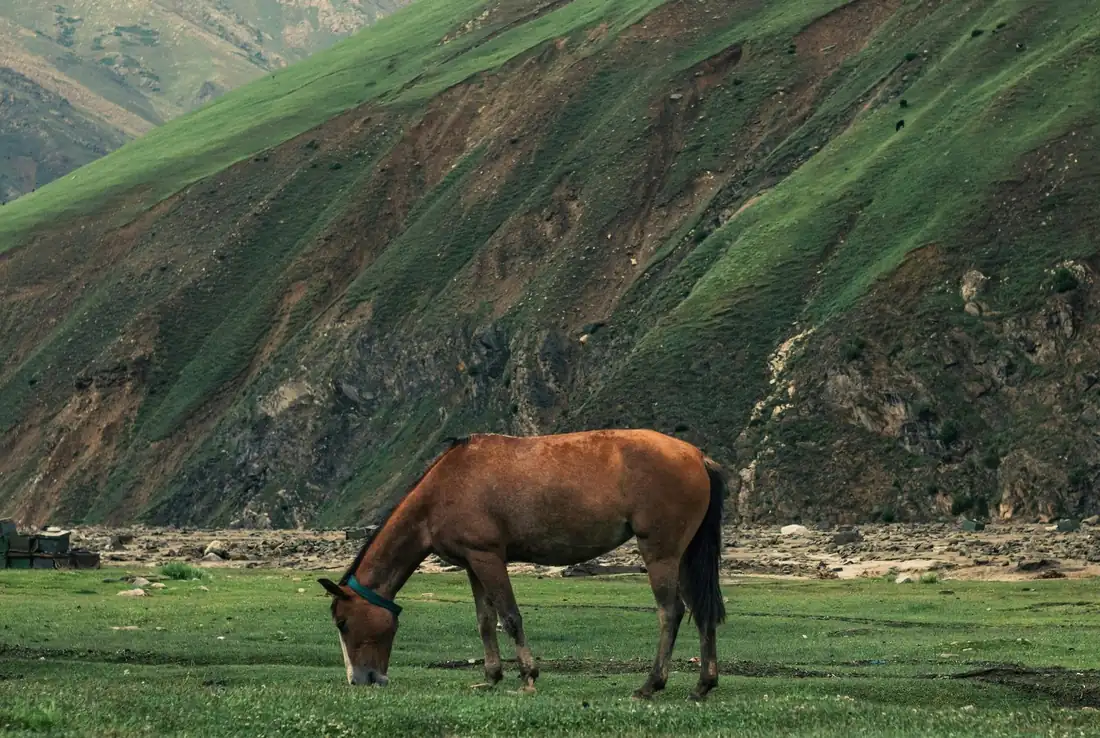
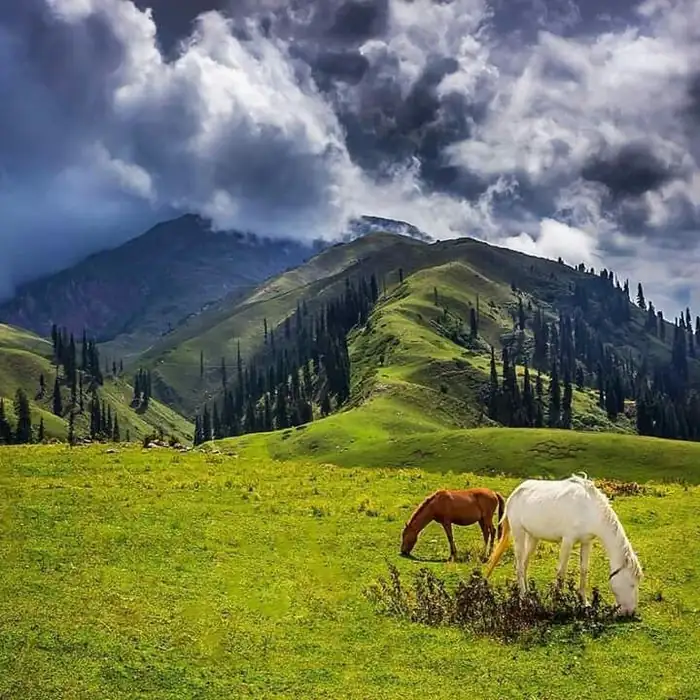
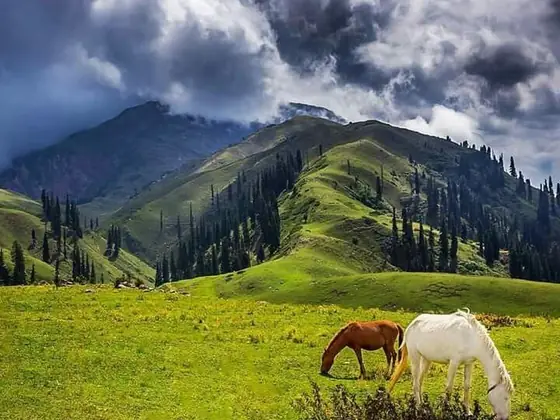
Shogran sits at about 2,362 metres in pine forest, an hour above Balakot, and it is where a lot of people stop on the way up rather than pushing straight to Naran. Above it, up a jeep track through the trees, is Siri Paye, an open meadow at roughly 3,054 metres with a small lake, grazing horses and a view across the valley to Malika Parbat. Siri Paye is the single best short excursion in the lower valley and it needs a 4x4 or the local jeep.
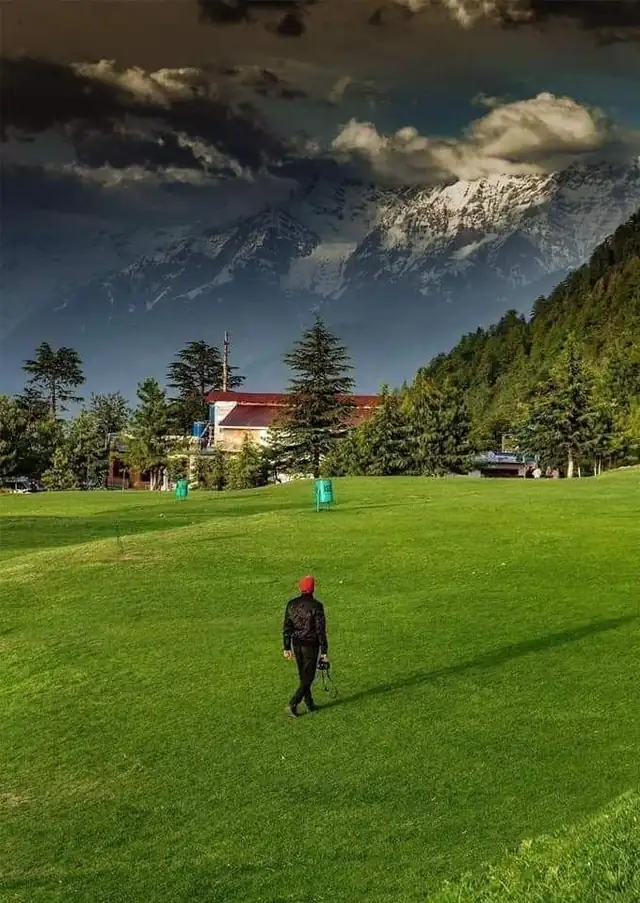
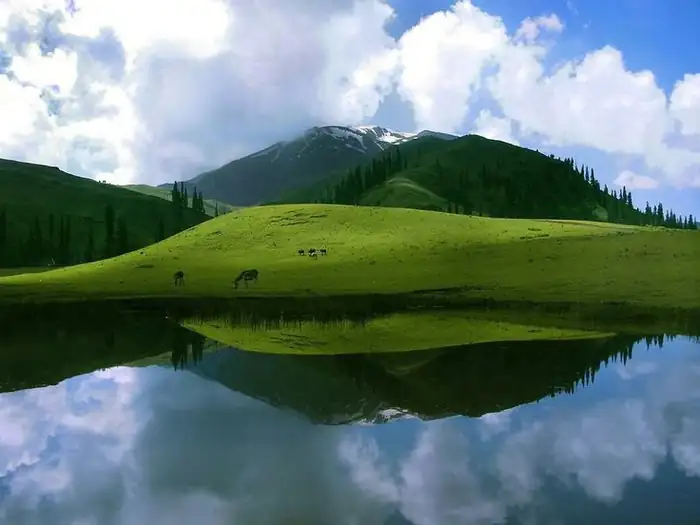
Two more worth knowing. Makra Peak, at about 3,885 metres, is a proper day trek from Shogran for people who want a summit rather than a viewpoint. Lalazar, a meadow above Naran at around 3,200 metres, is reached by jeep track and is the quiet alternative to Saif ul Malook when the lake is busy.
Babusar Top, and the road into Gilgit-Baltistan
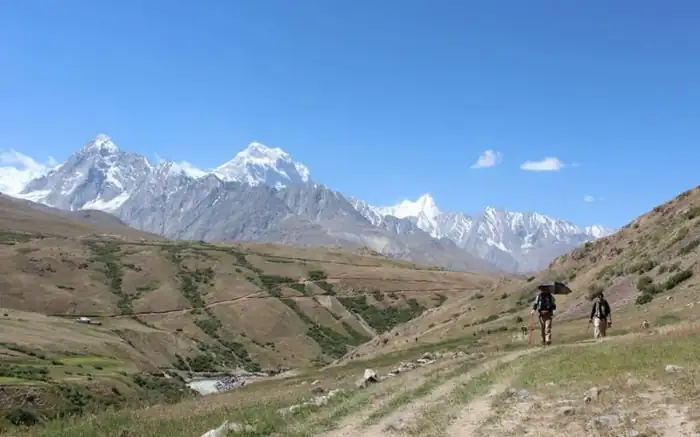
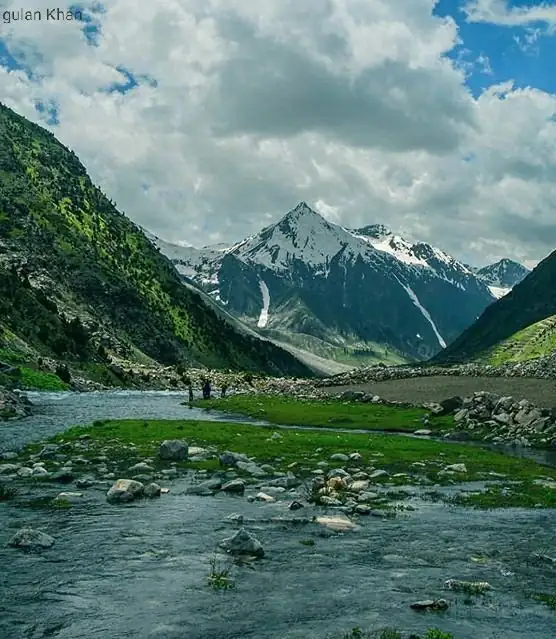
Babusar Top is the highest point of the valley at 4,173 metres, and the reason the Kaghan road exists as more than a dead end. Over the pass the road drops to Chilas on the Karakoram Highway, which connects the whole of Gilgit-Baltistan. In summer you can drive from Naran to Chilas in about three hours and be in Gilgit the same evening. The pass itself is a bare saddle with a lake below it, a tea stall in season and a wind that goes through everything you are wearing.
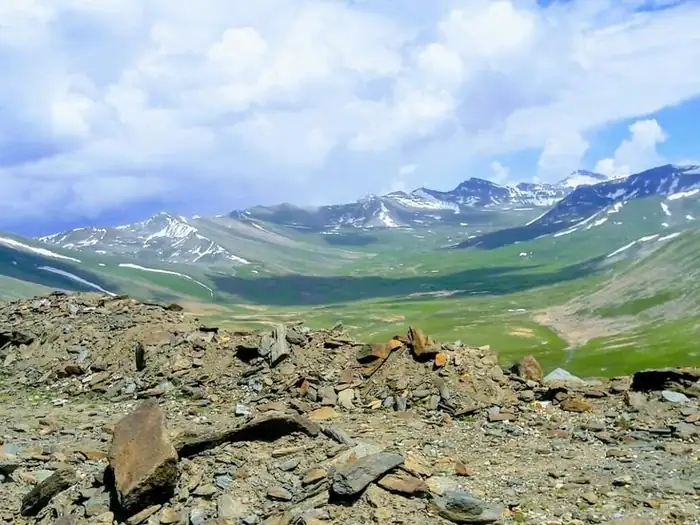
The road over the pass opens roughly late June or July, once the snow has been cleared, and closes with the first heavy snow in November. It can also close for a day after a landslide in the monsoon, which is worth knowing if you are building a schedule around it. Outside those months Babusar is simply not part of a trip.
How a Naran Kaghan trip actually runs
Four days is the version that works, and this is the shape of it. Add a day at the front if you are coming from Karachi or Lahore, and a day at the end as a buffer against the road.
- Day 1
Islamabad to Shogran
Motorway to Mansehra, then Balakot and up the forest road to Shogran, with a stop at Kawai waterfall. Afternoon free in the pines.
- Day 2
Siri Paye, then Naran
The jeep up to Siri Paye in the morning, back down for lunch, then the climb to Naran for the night and the bazaar.
- Day 3
Saif ul Malook
The jeep from the bazaar early, a couple of hours at the lake, back for the afternoon. In season, an evening walk up the Kunhar.
- Day 4
Babusar, Lulusar and out
Up through Batakundi to Lulusar and on to Babusar Top if the pass is open, then back down the valley and home. A long driving day, and the reason to keep the last night flexible.
Two variations change it. With five days, add Fairy Meadows: over Babusar to Raikot and up to the meadow below Nanga Parbat, which is a trip of its own and the one most people remember. With a private vehicle and more time, swap a day at Naran for Dudipatsar or a night at Lalazar, and you will see almost nobody.
When is the best time to visit Naran and Kaghan?
| Months | What it is like | What is open |
|---|---|---|
| April to mid May | Cold, blossom in the lower valley, snow still on the upper road | Shogran and Balakot. Naran is quiet and the lakes are still under snow |
| Late May to June | The best window: green, clear, not yet crowded | The Saif ul Malook track clearing, Babusar opening late in June |
| July to August | Warm, green, busy, monsoon cloud most afternoons | Everything, with landslide risk on the valley road in heavy rain |
| September | Clear, dry, comfortable, far quieter | Everything still open, the best month for photography |
| October | Golden poplars, cold nights, the top of the valley closing | Naran and Shogran. Babusar shuts with the first snow |
| November to March | Snow, closed roads above Balakot | Shogran sometimes, on a cleared road. Naran is out of reach |
Two things matter more than the month. Weekends, because Thursday night to Sunday the valley is at its worst and rates double. And the monsoon, because July and August can close the road for hours with a landslide. If you have a choice, take a Tuesday in the second half of June or the first half of September. The national picture is in our month by month Pakistan guide, and the autumn case for this valley is in the Pakistan autumn tours piece.
How to get to Naran and Kaghan
| From | Route | Time |
|---|---|---|
| Islamabad | Motorway to Mansehra, then Balakot, Kaghan, Naran | 6 to 8 hours, about 280 km |
| Lahore | Motorway to Islamabad, then as above | 11 to 13 hours, or an overnight run |
| Naran to Babusar Top | The upper valley road | About 2 hours, summer only |
| Babusar to Chilas | Down to the Karakoram Highway | About 1.5 hours, summer only |
By car with a driver. The default and the sensible one. The road to Naran is sealed and fine for a car; the jeep tracks above it are not. If you want to self-drive, our rent a car from Islamabad page covers vehicles and drivers, and the northern areas page covers the 4x4s for the side valleys.
By public transport. Vans and coasters run from Rawalpindi and Mansehra to Naran through the season, and it is cheap. What it costs you is time and flexibility: the last van leaves early, and you cannot stop at Lulusar on the way. For a first trip with luggage and a family, a booked vehicle is worth it.
By air. There is no airport in the valley. The nearest are Islamabad and, for the northern link, Gilgit, which is a flight and then a long drive.
Paperwork. No permit is needed for Naran, Kaghan, Shogran or the lakes. Carry your passport for the checkpoints and have your visa in order before you arrive; our visa services page covers what each nationality needs.
What a Naran Kaghan trip costs
Four things decide the number. The vehicle and driver, which is the biggest fixed cost and the reason a group of six pays far less per head than a couple. The hotel, where Naran ranges from a plain room over a shop to a riverside resort and the gap is wide. The season and the day of the week, because a July weekend is a different market from a June Tuesday. And the jeeps, which are separate: Saif ul Malook and Siri Paye are each a jeep hire on top of the car.
We quote line by line so you can see what the transport costs, what the rooms cost and what the jeeps add, and trim where you want to. For daily spending by category, including food and tips, the Pakistan travel costs guide has real numbers.
Normally included
- Transport from Islamabad or Lahore with a professional driver
- Hotel or resort on twin sharing, with breakfast
- Fuel, tolls, parking and driver allowance
- A guide who knows which jeep stand to use and when to leave
Normally extra
- Jeep hire to Saif ul Malook, Siri Paye and Lalazar
- Lunches, dinners and personal drinks
- Boating, horse riding and trout fishing permits
- Entry charges at the meadows and the lake
- Anything a hotel bills to your room
Where to stay: Naran, Shogran or the river
There are four bases and they suit different trips. Naran has the widest choice and the jeep stand for Saif ul Malook, at the cost of noise and a bazaar that is busy from morning to night. Shogran is cooler, quieter and in the forest, the right base for Siri Paye and Makra Peak, and an hour lower down. The Kaghan and Balakot stretch has riverside resorts that are better value than either and handy for the first and last nights. Batakundi and Jalkhad, above Naran, are for people heading to Babusar who want the cold and the quiet.
Ask three questions before you book, wherever it is: is there hot water in the morning, is there backup power, and is the room on the river side or the road side. In July and August book ahead by weeks, not days, and confirm the rate in writing because weekend pricing moves.
Altitude, packing and the things nobody warns you about
Naran is only about 2,400 metres, which most people do not notice. The lakes are 3,200 and the pass is over 4,100, and the jump from a warm bazaar to a cold wind in the same morning catches people out. Take it slowly at Saif ul Malook, drink water, and do not plan a trek on the day you arrive from Islamabad.
Pack
- Layers, plus a windproof jacket for the lakes and Babusar
- Trainers with grip for the meadow tracks and the lake path
- Sun cream and sunglasses: the light at altitude is strong
- Cash in rupees, because the card machines fail
- A power bank; charging points are scarce on long days
Plan around
- Weekends between June and September, unless you like queues
- Booking a flight home for the same evening you drive back
- Expecting a quiet lakeshore after nine in the morning
- Anyone in the group who struggles with cold or altitude
- The last jeep down from Saif ul Malook: find out the time
What to eat in the valley
Trout is the local dish and it is good: brown trout from the Kunhar, grilled or fried, in the restaurants that keep it fresh. Beyond that it is Pakistani mountain food done well: chapli kebab and karahi, dal, fresh corn on the cob at the roadside in August, apricots and walnuts from the upper valley, and tea everywhere. The bazaar in Naran has the widest choice and the highest prices; the roadside places between Kaghan and Naran are better value and usually better.
Weddings and events in Naran
Naran is one of the venues we work in, and it does something the other northern valleys cannot: it is close enough to Islamabad for guests to drive up for a weekend. A nikah on a riverside lawn beside the Kunhar, a mehndi under the pines at Shogran, photographs at Saif ul Malook or on the empty Babusar road, and a walima in a resort hall, all inside an hour of each other.
The constraint is the same one that shapes every trip here: one road, and a finite number of good rooms. A party of two hundred needs the hotels blocked months ahead and a plan for the traffic on the day. We handle the venue and permissions, the room blocks, decor brought up from Islamabad, catering that can feed your count and a coordinator on the ground. The detail is on our destination wedding in Naran Valley page, and the wider picture is on destination weddings in Pakistan.
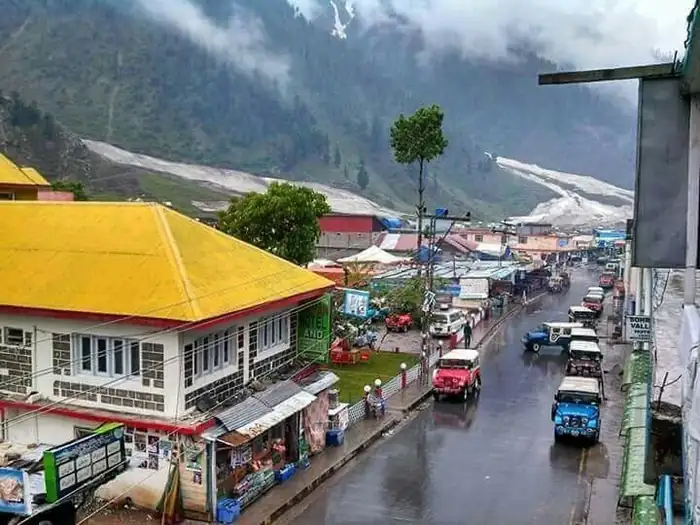
Naran and Kaghan in pictures
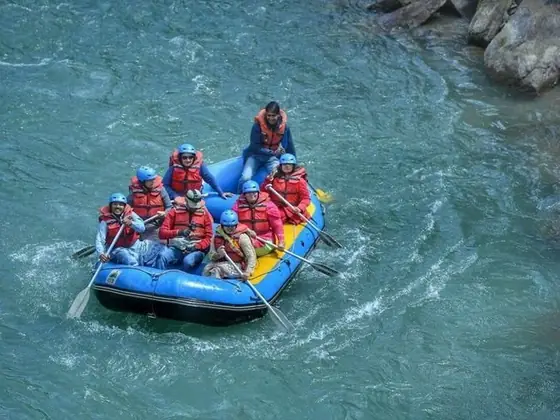
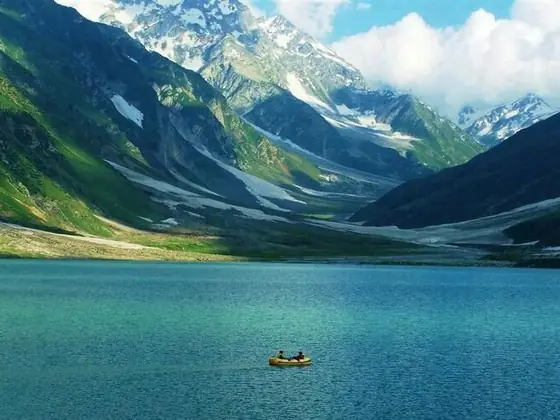
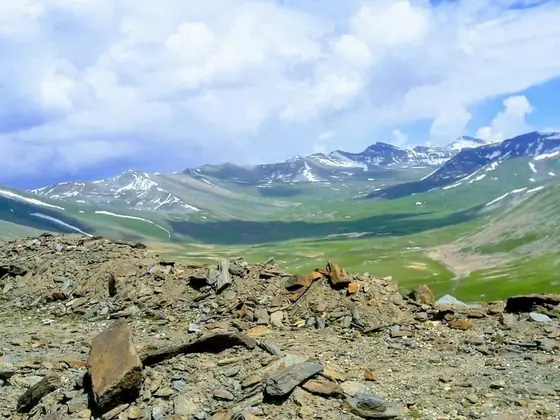
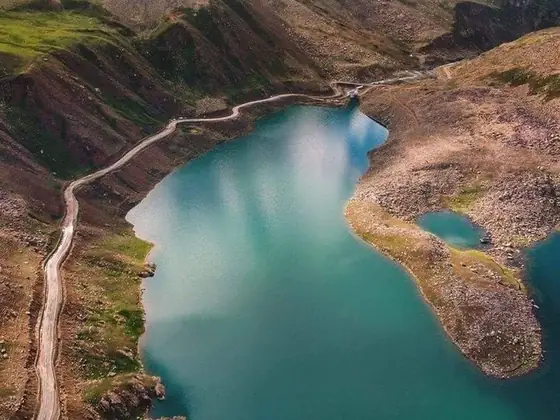

Naran and Kaghan questions, answered
How many days do you need for Naran and Kaghan?
Four days covers Naran, Saif ul Malook, Babusar and Lulusar without a day spent entirely in the car, which is what our four day trip does. Three days is possible if you skip Babusar and stay at Shogran on the way up. Five or more lets you add Fairy Meadows or the Siri Paye and Makra Peak side, and that is the version most people wish they had booked.
What is the best time to visit Naran and Kaghan?
Late May to the end of September for the full valley, because that is when the Saif ul Malook track, Babusar Top and the Lulusar road are all open. July and August are green and warm but crowded, and the monsoon brings landslides on the valley road. October is beautiful and quiet until the snow closes the upper valley. In winter Naran is cut off and only Shogran, lower down, stays reachable.
Is Babusar Top open all year?
No. The pass sits at 4,173 metres and holds snow from about November to June, so the road over it to Chilas is only open in summer, roughly late June or July to October. The exact opening is announced locally once the snow has been cleared, and it can slip by two or three weeks from year to year.
Can you drive to Lake Saif ul Malook?
You can drive most of the way in a 4x4 or by local jeep, and the last stretch is rough track. Most visitors take a jeep from Naran bazaar, which takes about an hour, or walk up in four to five hours. The track opens when the snow clears, usually late May or early June, and closes again with the first heavy snow.
How do you get to Naran from Islamabad?
By road: the motorway to Mansehra, then Balakot, Kaghan and up the valley to Naran. About 280 kilometres and six to eight hours with stops. Public vans and coasters run from Rawalpindi and Mansehra through the season. The road is fine for a car; you only need a 4x4 for the jeep tracks above Naran.
Can you reach Naran from Gilgit or Hunza?
Only in summer, over Babusar Top, and it is a long day from Chilas. That is the link that turns a Naran trip into a northern loop, and the same road that makes a Naran stop possible on the way back from Gilgit-Baltistan. Outside the summer months the only way in is from the Islamabad side.
Is Naran crowded?
Yes, at weekends and through July and August, and it is the single biggest thing that spoils the valley for people who did not expect it. Thursday night to Sunday the bazaar road jams, hotel rates double and the Saif ul Malook jeep queue is long. Going Sunday to Wednesday, or in June or September, is a different and much better trip.
Is Naran Kaghan safe, and is it suitable for families?
Yes for families, and the valley has been a domestic holiday destination for decades. The real risks are the road, the weather and altitude, not crime. Landslides close the valley road for hours in heavy rain, so keep a spare day at the end of the trip and do not book a flight home for the same evening you drive back.
Do foreigners need a permit for Naran and Kaghan?
No permit is needed. Carry your passport, because it is checked at posts on the road in, and have your Pakistani visa in order before you arrive. Babusar Top and the road to Chilas are open to foreign visitors in summer like anyone else.
What should I pack for Naran?
Layers. Naran sits at about 2,400 metres so the afternoon is mild and the night is cold even in July. Add a windproof jacket for the lakes and the pass, trainers with grip for the meadow tracks, sun cream because the light is strong, and cash, because the card machines in the bazaar fail exactly when you need them.
Is there mobile signal and internet in Naran?
In Naran town, yes, 4G from the main networks works well enough for calls and messages. It disappears above the town on the way to the lakes, at Siri Paye and on the Babusar road. Hotels have wifi that is fine for messages and unreliable for anything else.
What does a Naran Kaghan tour cost?
The vehicle, the hotel standard, the season and the day of the week decide it. A jeep to Saif ul Malook and one to Siri Paye are separate line items and people forget them. Weekend rates in July and August are double a Tuesday in June for the same room. We quote on your dates and party size, in rupees, and show the jeeps as their own lines.
Can you get married in Naran?
Yes, and it is one of the venues we run. A nikah beside the Kunhar, a mehndi in a riverside lawn and photographs at Saif ul Malook or on the Babusar road are all within an hour of each other. The limits are rooms and the single road in, so a large party needs the hotels blocked early. See the Naran wedding page for how we plan it.
Other pages worth reading before you book
- Northern Pakistan, the hub page for every valley we cover
- The Shogran and Siri Paye guide, for the lower valley in detail
- The most beautiful lakes in Pakistan and Lakes of Pakistan, for Saif ul Malook, Lulusar and Dudipatsar in context
- Fairy Meadows and Nanga Parbat and the Fairy Meadows guide, the natural extension over Babusar
- Hunza, Gilgit and Skardu, if you are continuing north over the pass
- Kumrat and Murree, the other two valleys within a day of Islamabad
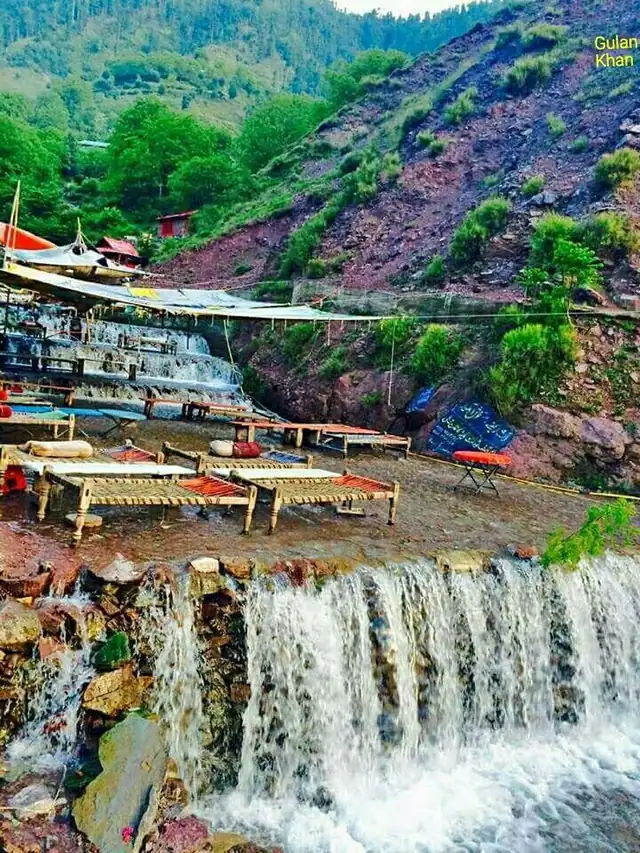
- Pakistan waterfall tours, including Kawai on this road
- Trekking in Pakistan, for Ansoo, Dudipatsar and Makra Peak
- The Pakistan travel guide and is Pakistan safe to travel, the honest answer
- Northern mountain tours and group tour 2027 for the whole collection
Plan your Naran Kaghan trip
Tell us the city you are leaving from, your dates and how many are travelling, and whether you want the lakes or the meadows as the centre of it. We send a day by day plan with a firm quote, in rupees for domestic travellers and US dollars for international ones, and we answer on WhatsApp within the working day.
Get a quote on WhatsAppSend an enquiry